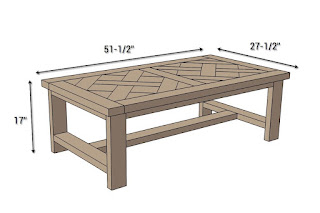
Top Materials for Coffee Tables – Wood, Glass, or Metal?

Top Materials for Coffee Tables – Wood, Glass, or Metal?

Choosing the perfect coffee table can feel overwhelming! There are so many styles, sizes, and materials to consider. But one of the biggest decisions you'll face is the material. Wood, glass, and metal are all popular choices, each with its own unique pros and cons. So, let's dive in and explore which might be the best fit for your home and lifestyle.
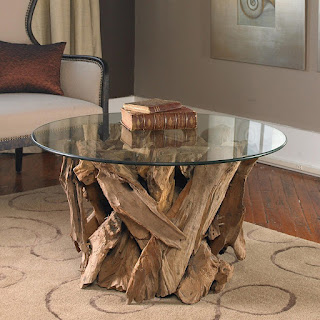
Wood: The Classic Choice

Wood coffee tables have been a staple in living rooms for generations, and for good reason. They offer a timeless elegance that's hard to beat. The natural warmth and beauty of wood bring a cozy and inviting feel to any space. But not all wood is created equal! You'll find a huge range of options, from richly hued hardwoods to more affordable softwoods.

Types of Wood & Their Characteristics:

Choosing the right type of wood depends on your budget and desired aesthetic. Here are a few popular options:

  • Oak: Durable, strong, and available in a variety of grains and colors. It's a classic choice that ages beautifully.
  • Walnut: Known for its rich, dark brown color and stunning grain patterns. It's a luxurious choice, but typically more expensive.
  • Maple: A lighter-colored wood with a smooth, fine grain. It's quite durable and versatile, working well in both modern and traditional settings.
  • Pine: A more affordable softwood option, pine is known for its knots and variations in color. It's less durable than hardwoods but can be easily stained or painted.
  • Mango Wood: A sustainable and increasingly popular choice, mango wood offers a rich, varied grain and warm tones. It's often more affordable than other hardwoods.

Pros of Wood Coffee Tables:

  • Aesthetically pleasing: Wood offers natural beauty and warmth.
  • Durable: Hardwoods, in particular, are very resilient and can last for many years.
  • Versatile: Wood complements a wide range of décor styles.
  • Can be refinished: Scratches and minor damage can often be repaired or sanded down.

Cons of Wood Coffee Tables:

  • Can be expensive: High-quality hardwoods can be costly.
  • Susceptible to damage: Water rings, scratches, and dents are possible.
  • Requires maintenance: Regular cleaning and occasional polishing are needed to maintain its appearance.
  • Heavier than other materials: Moving and rearranging can be more challenging.

Glass: Modern and Chic

Glass coffee tables bring a sense of modernity and sophistication to a room. They offer a clean, minimalist look that's perfect for contemporary or transitional spaces. But just like with wood, there's variety in glass coffee tables too. You'll find them in different thicknesses, colors (like tinted or frosted glass), and with various base materials.

Types of Glass & Considerations:

The type of glass can impact the table's overall look and durability:

  • Tempered Glass: Much stronger and safer than regular glass. This is the most common type used in coffee tables.
  • Frosted Glass: Offers a more opaque and diffused look, softening the overall aesthetic.
  • Tinted Glass: Adds a touch of color, creating a more dramatic effect.

Pros of Glass Coffee Tables:

  • Modern and sleek appearance: A stylish choice for contemporary homes.
  • Easy to clean: A quick wipe is usually all it takes.
  • Allows light to pass through: Can make a room feel brighter and more spacious.
  • Visually lightweight: Doesn't overwhelm a room.

Cons of Glass Coffee Tables:

  • Can be fragile: Prone to cracking or shattering if dropped or bumped.
  • Shows fingerprints and smudges easily: Requires frequent cleaning.
  • Can be cold to the touch: Not as inviting as warmer materials like wood.
  • Not ideal for homes with children or pets: Higher risk of breakage.

Metal: Industrial Strength & Style

Metal coffee tables offer a distinctly industrial or modern aesthetic. They're often chosen for their durability and clean lines. From sleek chrome to rustic wrought iron, the options are diverse and can suit various styles.

Types of Metal & Finishes:

The metal type significantly affects both the look and feel of your coffee table:

  • Steel: Strong and durable, often used in industrial-style designs. Can be finished in various ways, from powder coating to chrome plating.
  • Iron: A heavier metal that can be forged into intricate designs. Often has a more rustic or antique look.
  • Aluminum: Lightweight and corrosion-resistant, making it a good option for outdoor use.
  • Brass or Copper: Adds a touch of luxury and warmth, creating a more vintage or glam look.

Pros of Metal Coffee Tables:

  • Extremely durable: Can withstand significant wear and tear.
  • Easy to clean: Wipe down with a damp cloth.
  • Versatile in style: Can suit modern, industrial, or even vintage settings.
  • Often lightweight (aluminum): Easier to move than wood tables.

Cons of Metal Coffee Tables:

  • Can be cold to the touch: May not be as comfortable as wood.
  • Can scratch easily (some metals): Requires care to prevent damage to the finish.
  • Prone to rust (unless treated): Requires proper maintenance, especially for outdoor use.
  • Can be expensive (depending on metal and finish): Some high-end metal tables can be quite pricey.

The Verdict? It Depends!

Ultimately, the best material for your coffee table depends entirely on your personal preferences, your home's style, and your lifestyle. Consider your budget, the overall look you're aiming for, and how much maintenance you're willing to commit to.

Commonly Asked Questions

  • Q: Are glass coffee tables safe for families with young children? A: While tempered glass is strong, it can still break. Consider the risks before choosing a glass coffee table for a home with young children or pets.
  • Q: How do I clean a wood coffee table? A: Use a soft, damp cloth and mild wood cleaner. Avoid harsh chemicals and abrasive cleaners.
  • Q: Which metal is best for outdoor coffee tables? A: Aluminum is a great choice for its corrosion resistance. Powder-coated steel is also a good option.
  • Q: Can I refinish a wood coffee table myself? A: Yes, but it requires some skill and the right tools. Consider hiring a professional for complex repairs or refinishing.
  • Q: What's the difference between tempered and regular glass? A: Tempered glass is heat-treated, making it significantly stronger and safer than regular glass. It's much more resistant to breakage.
Share:

How to Choose the Perfect Coffee Table for Your Space

Unlocking Coffee Table Chic: The Ultimate Guide to Choosing the Perfect Piece

The coffee table. Often overlooked, yet undeniably the heart of your living room. It's the central stage for gatherings, a resting place for your favorite book, and a silent testament to your personal style. Choosing the right one can transform your space, elevating it from ordinary to extraordinary. This guide will walk you through the key considerations, ensuring you select a coffee table that's not only aesthetically pleasing but also perfectly functional for your lifestyle.

Measuring Your Space: First Steps to Success

Before you even begin browsing the endless array of coffee tables, grab your measuring tape! Carefully measure the dimensions of your living room, paying close attention to the distance between your sofa and any other furniture. You need sufficient space for comfortable movement around the coffee table. Avoid overcrowding; leave enough room to easily navigate the space. Consider the size of your sofa – a petite sofa paired with a massive coffee table will look disproportionate and feel cramped. A large sectional, however, demands a substantial coffee table to anchor the space. The rule of thumb? The coffee table should be roughly two-thirds to three-quarters the length of your sofa.

Beyond Length: Height Matters Too

The height of your coffee table is equally crucial. It should complement your sofa's height, allowing for comfortable armrest placement and easy access to drinks and snacks. Ideally, the top of the coffee table should sit roughly the same height as the seat cushions of your sofa, or slightly lower, creating a seamless flow and avoiding awkwardly high or low surfaces. Don't forget to consider the height of any nearby armchairs or accent seating for consistent visual harmony.

Style and Function: Finding the Perfect Blend

Your coffee table is more than just a piece of furniture; it's a reflection of your personal style. Do you gravitate towards sleek, modern lines or the rustic charm of reclaimed wood? Do you prefer a minimalist aesthetic or a more eclectic approach? Explore different materials like wood, glass, metal, or stone, considering their durability, maintenance requirements, and overall aesthetic contribution to your living room's design.

Considering Your Lifestyle: Practicality Plays a Role

Think about your lifestyle and how you'll actually use the coffee table. Do you entertain frequently? A large, sturdy coffee table with ample surface area might be ideal. Do you prefer a clean, uncluttered look? A smaller, more minimalist table might be a better choice. Families with children might benefit from a durable, easy-to-clean surface, possibly opting for materials like laminate or sealed wood. Consider storage solutions too; many coffee tables offer drawers, shelves, or hidden compartments for keeping remotes, magazines, and games organized.

Choosing the Right Material: Durability and Aesthetics

The material you choose significantly impacts both the look and longevity of your coffee table. Wood offers timeless appeal and warmth, but requires regular maintenance. Glass provides a sleek, modern look but is susceptible to scratches and fingerprints. Metal offers a durable and industrial aesthetic, while stone exudes luxury and sophistication. Consider your budget and maintenance preferences when making your selection. Explore different finishes, such as painted, stained, or polished, to further customize the look and feel of your coffee table.

Beyond the Basics: Adding Personality

Once you've narrowed down your options based on size, style, and material, it's time to inject your personality. Consider adding decorative elements such as trays, bowls, or sculptures to personalize your coffee table. Introduce pops of color through cushions, throws, or books to create a visually engaging space. The final touch is arranging items thoughtfully; avoid overcrowding, instead opting for a curated selection that reflects your tastes and enhances the overall aesthetic of your living room.

Finding the perfect coffee table is an exciting process. By carefully considering the factors outlined above, you can confidently choose a piece that not only complements your living space but enhances it, creating a comfortable, stylish, and functional heart of your home.

Share:

Pallet Woodworking Plans – Free PDF Download

Unlock Your Creativity: Free Pallet Woodworking Plans PDF Download

Tired of staring at those discarded pallets gathering dust? Transform that overlooked lumber into stunning, functional pieces with our free downloadable pallet woodworking plans! This guide unlocks a world of possibilities, offering detailed instructions and inspiring designs for projects ranging from rustic furniture to charming home décor. Whether you're a seasoned woodworker or a complete beginner, these plans provide clear, step-by-step guidance, empowering you to create beautiful, unique items for your home and beyond. Forget expensive lumber – discover the potential hidden within readily available pallets and unleash your inner artisan.

Why Choose Pallet Woodworking?

Pallet woodworking offers a compelling blend of sustainability, affordability, and creative freedom. Repurposing pallets reduces waste and contributes to a greener lifestyle. The inherent character of reclaimed wood, with its varied textures and natural imperfections, adds a rustic charm unmatched by mass-produced materials. And perhaps best of all, the cost is significantly lower than buying new lumber, making it a perfect option for budget-conscious DIY enthusiasts. This means you can create beautiful, unique pieces without breaking the bank, allowing you to invest more in your creativity and less in materials.

What You'll Find in Our Free PDF Download

Our comprehensive PDF download contains a curated collection of meticulously designed pallet woodworking plans. We've categorized the plans for easy navigation, ensuring you can quickly find the perfect project for your skill level and desired outcome. Each plan includes detailed diagrams, precise measurements, a comprehensive materials list, and step-by-step instructions accompanied by clear, high-quality images. We believe in making the process as straightforward as possible, so whether you're tackling a simple shelf or a more complex coffee table, you'll find the guidance you need to succeed.

Project Examples Included:

  • Rustic Coffee Table: Learn to construct a sturdy and stylish coffee table, showcasing the natural beauty of reclaimed pallet wood.
  • Charming Garden Planters: Transform old pallets into charming planters, adding a touch of rustic elegance to your garden or patio.
  • Functional Wall Shelves: Create versatile wall shelves perfect for showcasing your favorite items or organizing your home.
  • Stylish Headboard: Add a unique and personalized touch to your bedroom with a stunning pallet headboard.
  • Creative Outdoor Seating: Build comfortable and durable outdoor seating options, perfect for relaxing in your backyard.

Beyond the Plans: Safety and Preparation

Before you begin any project, prioritize safety. Always wear appropriate safety gear, including safety glasses and gloves. Ensure the pallets are clean and free of any harmful substances before starting your work. Properly deconstruct the pallets, carefully removing nails and staples to avoid injuries. Remember, careful preparation is key to a successful and safe woodworking experience. The detailed instructions in the PDF also include important safety tips and considerations.

Download Your Free Pallet Woodworking Plans Now!

Ready to transform discarded pallets into stunning creations? Click the link below to download your free PDF containing a wealth of inspiring pallet woodworking plans. Start creating today and unleash your inner craftsman!

[Insert Download Link Here]

Share:

Modern Coffee Table Build – Free PDF Guide

Modern Coffee Table Build – A Comprehensive Guide

This document provides a detailed, step-by-step guide for constructing a modern coffee table. The design emphasizes clean lines, minimalist aesthetics, and the utilization of readily available materials. While some woodworking experience is beneficial, this guide is designed to be accessible to individuals with intermediate skills. Safety precautions are paramount throughout the process; appropriate personal protective equipment (PPE) should be worn at all times.

I. Materials and Tools

Before commencing the project, ensure you have acquired all necessary materials and tools. Accurate measurements and careful selection of materials are crucial to achieve the desired aesthetic and structural integrity. The list below provides a comprehensive inventory; adjustments may be necessary based on individual design preferences and dimensions.

A. Lumber Selection

The choice of lumber significantly impacts the final product's appearance and durability. Hardwoods such as walnut, maple, or oak offer superior strength and visual appeal but come at a higher cost. Softwoods like pine or fir are more affordable but may require additional care to prevent scratches and dents. Consider the desired finish and overall aesthetic when making your selection. Ensure the lumber is properly dried (less than 10% moisture content) to prevent warping and cracking.

Specific Material Requirements (Example):

  • Four pieces of 2" x 4" hardwood (legs) – 24" length
  • One piece of ¾" plywood (top) – 48" x 24"
  • Two pieces of 2" x 2" hardwood (supports) – 44" length
  • Wood screws (various sizes)
  • Wood glue

B. Tool Inventory

A comprehensive set of tools is essential for a successful build. Using appropriate tools not only enhances efficiency but also contributes to a safer working environment. Improper tools can lead to inaccurate cuts, structural weaknesses, and potential injury.

  • Measuring Tape: Essential for accurate measurements of all components.
  • Circular Saw or Miter Saw: For precise cuts of the lumber.
  • Drill with assorted drill bits: For pilot holes and screw insertion.
  • Screwdriver bits (Phillips and flathead): Matching the chosen screws.
  • Clamps: To hold pieces securely during gluing and assembly.
  • Sandpaper (various grits): For smoothing surfaces and preparing for finishing.
  • Safety Glasses: Crucial for protecting eyes from flying debris.
  • Dust Mask: To minimize inhalation of sawdust.
  • Wood Filler: To fill any gaps or imperfections.
  • Finishing supplies (stain, sealant, or paint): To protect and enhance the wood.
  • Level: To ensure the table is perfectly level.

II. Construction Process

The construction process is divided into several distinct stages. Meticulous attention to detail at each stage is crucial for a high-quality finish. Follow the steps carefully, ensuring accuracy and precision in each measurement and cut.

A. Cutting the Lumber

Begin by accurately measuring and cutting all lumber components according to the provided dimensions or your customized design. Ensure the cuts are clean and square. Use a miter saw for precise angled cuts if required by your design. Always utilize proper safety precautions, including the use of safety glasses and a dust mask.

B. Assembling the Legs and Supports

Attach the legs to the support beams using wood glue and screws. Pre-drill pilot holes to prevent the wood from splitting. Ensure the joints are square and secure. Use clamps to hold the pieces in place while the glue dries. Allow sufficient drying time as specified by the wood glue manufacturer before proceeding to the next step.

C. Attaching the Tabletop

Once the leg assembly is complete and the glue is fully cured, attach the plywood tabletop. This can be done using screws or by employing a more advanced joinery technique, such as dadoes and rabbets, for a stronger and more aesthetically pleasing connection. Again, pre-drilling pilot holes is essential to prevent wood splitting.

D. Sanding and Finishing

Once the coffee table is assembled, sand all surfaces thoroughly, starting with coarser grits and progressing to finer grits. This will create a smooth surface for finishing. Apply wood filler to any imperfections or gaps before sanding. After sanding, apply your chosen finish – stain, paint, or sealant – according to the manufacturer's instructions. Allow ample drying time between coats for optimal results.

III. Advanced Techniques (Optional)

For those seeking a more sophisticated coffee table, consider incorporating advanced woodworking techniques. These techniques will significantly enhance the overall quality and aesthetics of your project.

A. Dovetail Joints

Dovetail joints provide exceptional strength and a visually appealing interlocking design. This technique requires advanced woodworking skills and specialized tools but offers superior durability compared to simple butt joints.

B. Mortise and Tenon Joints

Mortise and tenon joints are another strong and visually appealing joinery technique, particularly well-suited for leg-to-support connections. This method requires precise measurements and cuts, ensuring a snug fit for increased stability.

C. Customizable Designs

This guide provides a foundational design. Consider incorporating personal touches by experimenting with different wood types, finishes, and shapes. Incorporating metal accents or adding a drawer for additional storage can further personalize the project.

IV. Safety Precautions

Safety is paramount throughout the entire building process. Always wear appropriate personal protective equipment (PPE), including safety glasses, a dust mask, and hearing protection when using power tools. Work in a well-ventilated area to minimize exposure to sawdust and fumes. Keep your work area clean and organized to prevent accidents. Follow all manufacturer's instructions for tools and finishing products. If unsure about any step, seek guidance from an experienced woodworker before proceeding.

This comprehensive guide provides a detailed blueprint for constructing a modern coffee table. By carefully following these instructions and prioritizing safety, you can create a beautiful and functional piece of furniture that enhances your living space. Remember that patience and attention to detail are key to achieving a successful outcome.

Share:

How to Make a Farmhouse Coffee Table – Free Woodworking Plans

Building Your Dream Farmhouse Coffee Table: Free Woodworking Plans!

Hey there, fellow DIY enthusiasts! So you're looking to build a farmhouse coffee table? Fantastic! There's something incredibly satisfying about crafting something beautiful and functional for your home, especially when it's as stylish and versatile as a farmhouse coffee table. This guide will walk you through the entire process, from gathering materials to adding those finishing touches that make it truly yours. I'll even give you free woodworking plans to make it easier!

Choosing Your Wood and Materials

The beauty of a farmhouse coffee table lies in its rustic charm. You've got a lot of options when it comes to wood, and your choice will largely depend on your budget and aesthetic preferences. Here are a few popular choices:

Popular Wood Choices

  • Reclaimed wood: Gives that authentic, aged look. Think old barn wood or pallet wood (make sure it's treated properly!). This adds tons of character and a unique story to your piece.
  • Pine: A readily available and relatively inexpensive softwood. It's easy to work with, even for beginners.
  • Oak: A harder, more durable hardwood that'll stand the test of time. It offers a beautiful grain and rich color.
  • Fir: Another good option, known for its strength and straight grain. It's often a bit more affordable than oak.

Besides the wood itself, you'll need a few other essentials:

  • Wood glue: A good quality wood glue is crucial for strong joints.
  • Wood screws: Choose screws that are appropriate for your chosen wood type and thickness.
  • Sandpaper: You'll need various grits, from coarse to fine, for smoothing the surfaces.
  • Wood stain or paint: This is where you get to personalize your table! Consider a natural stain to highlight the wood grain, or a crisp white paint for a classic farmhouse look.
  • Polyurethane (or other sealant): This protects your finished table from spills and wear.
  • Measuring tape, pencil, safety glasses, and a comfortable workspace: Safety first!
  • Tools: You'll need basic woodworking tools such as a saw (circular saw or hand saw), a drill, clamps, and a sander. A Kreg Jig would be helpful, but not essential.

Free Farmhouse Coffee Table Plans (Step-by-Step)

Okay, let's get into the actual construction! This plan assumes a simple, rectangular coffee table design, but you can easily adapt it to create your own unique style. Remember to always measure twice and cut once!

Step 1: Cutting the Wood

Based on your desired dimensions (let's say a 48" x 24" table top), cut your wood to the following sizes:

  • Top: Two pieces at 48" x 12"
  • Legs: Four pieces at 28" x 4"
  • Apron (supports for the top): Four pieces at 44" x 4"

Adjust these dimensions to suit your preferences, ensuring the apron pieces are slightly shorter than the tabletop to allow for overhang.

Step 2: Assembling the Apron

Using wood glue and screws, create a rectangular frame from your four apron pieces. Clamp the pieces firmly while the glue dries.

Step 3: Attaching the Legs

Attach the legs to the inside corners of the apron frame. Pre-drill pilot holes to prevent the wood from splitting. Use wood glue and screws for a strong and secure connection. Consider using angle brackets for extra support if you like.

Step 4: Attaching the Tabletop

Place the two tabletop pieces on top of the apron frame. Ensure they are centered and aligned. Use wood glue and screws to secure the tabletop to the apron. You might want to use countersinking screws to make them less noticeable later. Alternatively, you could use pocket hole joinery with a Kreg Jig for a clean look.

Step 5: Sanding and Finishing

Once the glue is completely dry, sand all surfaces of the coffee table thoroughly. Start with a coarser grit sandpaper and gradually move to finer grits for a smooth finish. Clean away all the dust before applying your stain or paint.

Step 6: Staining or Painting

Apply your chosen stain or paint according to the manufacturer's instructions. Multiple thin coats are better than one thick coat. Allow ample drying time between coats.

Step 7: Sealing

Once the stain or paint is completely dry, apply a few coats of polyurethane or a similar sealant. This protects your beautiful new coffee table and makes it easier to clean. Again, allow each coat to dry thoroughly before applying the next.

Adding Personal Touches

Now for the fun part! Don't be afraid to add your own personal style. Here are a few ideas:

  • Distressed finish: Use sandpaper to create a more worn, rustic look.
  • X-braces: Add X-braces to the legs for extra support and visual interest.
  • Metal accents: Incorporate metal hardware, such as handles or drawer pulls, for a touch of industrial chic.
  • Shelves: Add a shelf underneath for extra storage.

Commonly Asked Questions

Q: Can I use different wood types for different parts of the table?

A: Absolutely! You can use a combination of woods to create a unique look. Just make sure the woods are compatible in terms of hardness and expansion/contraction properties.

Q: How important is using a Kreg Jig?

A: A Kreg Jig is helpful for creating strong, hidden joints, especially for the tabletop. However, it's not essential, and you can achieve good results with careful use of wood glue and screws.

Q: What kind of sealant should I use?

A: Polyurethane is a popular choice because it's durable and protects against spills. You can also use varnish or other wood sealants.

Q: How long does the entire project take?

A: Depending on your skill level and how much time you can dedicate, this project could take anywhere from a weekend to a few weeks.

Q: What if I make a mistake?

A: Don't worry, everyone makes mistakes! Woodworking is a learning process. If you mess up a cut, you can often salvage it with some careful sanding or creative problem-solving. And remember, even imperfections can add to the charm of a handmade piece!

There you have it! Your guide to building a beautiful farmhouse coffee table. Remember to take your time, enjoy the process, and most importantly, have fun! I'd love to see pictures of your finished projects – feel free to share them with me!

Share:

Best Pallet Woodworking Creations for Home & Garden

Best Pallet Woodworking Creations for Home & Garden

Reclaimed pallet wood offers a unique blend of rustic charm and sustainable appeal, making it a highly sought-after material for a variety of woodworking projects. Its inherent character, marked by variations in color, texture, and the occasional nail hole, contributes to the distinctive aesthetic of creations crafted from this readily available resource. This article will explore the diverse possibilities of pallet woodworking, focusing on projects ideal for enhancing both the home and garden environments.

Home Décor Projects Utilizing Reclaimed Pallet Wood

The versatility of pallet wood extends to a wide array of home décor applications, offering both functional and aesthetically pleasing additions to any living space. Careful preparation and thoughtful design are key to realizing the full potential of this material.

Pallet Wall Art & Shelves

Transforming raw pallet wood into striking wall art or practical shelving units is a popular choice amongst DIY enthusiasts. Pallet wall art can range from simple, geometric designs to intricate mosaics, depending on the skill and ambition of the crafter. The natural variations in the wood's coloring lend themselves well to minimalist aesthetics, while added treatments, such as staining or painting, can amplify artistic expression. Pallet shelves provide a rustic yet functional alternative to conventional shelving, adding a touch of character to any room. Careful sanding and finishing are crucial for ensuring a safe and smooth surface. Consider incorporating lighting elements or decorative accessories to further elevate the aesthetic appeal.

Pallet Headboards & Beds

For those seeking more ambitious projects, constructing a pallet headboard or even a complete pallet bed frame presents a rewarding challenge. This requires meticulous planning and attention to detail, ensuring the stability and durability of the finished product. Appropriate dismantling and cleaning of the pallets are paramount before construction. Proper sanding and finishing are also crucial, considering the proximity to the body in the case of a bed frame. The final product can be customized with paint, stain, or fabric to seamlessly integrate with existing bedroom décor. Note that safety standards must be met to ensure a secure and structurally sound piece of furniture.

Pallet Coffee Tables & Side Tables

Smaller-scale furniture projects, such as pallet coffee tables and side tables, are excellent starting points for beginners. These projects offer a great opportunity to hone woodworking skills while creating practical and stylish pieces. The size and shape of the table can be adjusted to suit individual preferences and available space. The addition of wheels or casters can enhance mobility, while a glass or wooden top adds a refined finish. These tables can easily complement a variety of interior design styles, from rustic farmhouse to modern minimalist.

Other Home Décor Options

The possibilities extend far beyond the examples mentioned above. Other creative applications for reclaimed pallet wood in home décor include:

  • Pallet coat racks: Offering a rustic and space-saving solution for outerwear storage.
  • Pallet mirrors: Creating unique and visually appealing statement pieces.
  • Pallet picture frames: Providing a unique and handcrafted touch to cherished photographs.
  • Pallet wine racks: A functional and decorative addition to any home bar.
  • Pallet storage boxes: Offering a charming alternative to conventional storage solutions.

Garden & Outdoor Projects Using Reclaimed Pallet Wood

The robust nature of pallet wood makes it exceptionally well-suited for outdoor applications, where it can withstand the elements while adding a unique aesthetic to the garden landscape.

Pallet Planters & Raised Garden Beds

Pallet planters and raised garden beds are perhaps the most popular uses of reclaimed pallet wood in the garden. Their rustic charm blends seamlessly with natural surroundings. Constructing these requires careful planning to ensure adequate drainage and stability. Treating the wood with a weather-resistant sealant is essential to prolong its lifespan outdoors. These planters can be customized with various paint colors or left to weather naturally, adding a distinctive character to the garden.

Pallet Fencing & Trellises

Pallet fencing provides a cost-effective and aesthetically pleasing alternative to conventional fencing. However, proper preparation and treatment are critical to ensure durability against the elements. Pallet trellises offer a beautiful and functional support system for climbing plants, creating a vibrant and vertical garden element. These can be customized in size and design to suit individual garden layouts and plant needs. Careful planning and sturdy construction are essential to ensure the stability and longevity of these structures.

Pallet Garden Gates & Arbors

More ambitious projects involve creating pallet garden gates and arbors. These require a higher level of woodworking skill and careful planning to ensure structural integrity. The design can be tailored to complement the overall garden aesthetic. Appropriate treatments and finishes are necessary to protect the wood from decay and damage caused by weather exposure. These projects represent a significant investment of time and effort, but the resultant aesthetic enhancement to the garden is substantial.

Other Garden & Outdoor Options

Beyond the aforementioned projects, pallet wood also finds its use in:

  • Pallet birdhouses: Providing a charming and functional habitat for avian visitors.
  • Pallet compost bins: A rustic and effective way to manage garden waste.
  • Pallet outdoor furniture: Creating sturdy benches, chairs, or picnic tables for outdoor relaxation.
  • Pallet vertical gardens: Maximizing space utilization and adding a unique vertical element to the garden.

In conclusion, the possibilities for creating beautiful and functional items from reclaimed pallet wood are virtually limitless. Whether enhancing the home interior or transforming the garden landscape, the inherent charm and versatility of this readily available material make it an ideal choice for a wide range of woodworking projects. However, it is important to emphasize the need for proper preparation, careful design, and appropriate finishing techniques to ensure the safety, durability, and aesthetic appeal of the finished products.

Share:

Step-by-Step Instructions for Building a Lectern

Craft Your Own Commanding Lectern: A Step-by-Step Guide

Standing tall and proud, a lectern serves as more than just a surface for notes; it's a symbol of authority, a focal point, and a testament to craftsmanship. This guide empowers you to build your own, ensuring a unique piece tailored to your exact needs and style. Prepare to embark on a rewarding journey from raw materials to a finished masterpiece!

Gathering Your Materials and Tools

Before you begin, gather the necessary materials. Choosing high-quality wood guarantees a durable and visually appealing lectern. Solid hardwood like oak, maple, or cherry offer excellent stability and richness. Consider the aesthetic you desire; lighter woods provide a brighter feel, while darker woods exude a more traditional elegance. Beyond the wood, you'll need:

  • Wood glue
  • Wood screws (various sizes)
  • Wood stain (optional, choose a color that complements your wood)
  • Wood finish (e.g., polyurethane)
  • Sandpaper (various grits)
  • Measuring tape
  • Pencil
  • Saw (circular saw or hand saw)
  • Drill with drill bits
  • Clamps
  • Safety glasses
  • Optional: Router and router bits for decorative edges

Accurately measuring and cutting your wood is paramount. Precise cuts ensure a stable and professional-looking final product. Remember safety first! Always wear safety glasses when operating power tools.

Constructing the Lectern Base

Cutting the Base Pieces

Start by cutting the base pieces to your desired dimensions. A sturdy, rectangular base is classic and functional. Typically, the base will be approximately 18 inches wide and 24 inches deep, but feel free to adjust these to your preferences. Using your measurements, cut two identical pieces for the base's sides, and two more for the front and back. Always double-check your measurements before making any cuts. Precise cuts prevent frustrating gaps or misalignments later in the process.

Assembling the Base

Apply wood glue to the edges of the base pieces and carefully assemble them into a rectangular frame. Use clamps to hold the pieces firmly in place while the glue dries. Once the glue is set (check the manufacturer's instructions), reinforce the joints with wood screws, driving them in at an angle for added strength. Ensure the screws are countersunk to allow for a smooth finish.

Building the Lectern Top and Support

Creating the Reading Surface

Next, create the lectern's reading surface. Cut a piece of wood to the size you desire; a common size is approximately 18 inches wide and 12 inches deep. This piece will form the angled writing surface. You might choose to add a slight bevel to the front edge for comfort and aesthetics using a router. Sand the edges smooth after cutting and routing.

Attaching the Top

Now attach the top to the base. Decide on the desired angle of the reading surface and use supports to create a stable inclined plane. This can be achieved with two angled supports attached to the base. These supports should be cut to the correct angle to firmly secure the reading surface at the desired incline. Secure the reading surface to the supports with wood glue and screws.

Finishing Touches and Refinement

Once the lectern is assembled, sand all surfaces smooth to remove any imperfections. Start with coarser grit sandpaper and gradually move to finer grits. This process ensures a flawless surface for staining and finishing. Apply wood stain according to the manufacturer's instructions, allowing it to soak into the wood for a rich, even color. Once the stain has dried completely, apply several coats of polyurethane or another suitable wood finish to protect the lectern from moisture and wear.

Your handcrafted lectern is now complete! Stand back and admire your creation. You've successfully transformed raw materials into a functional and beautiful piece of furnitureâ€"a testament to your skills and a perfect addition to any setting where a commanding presence is desired.

Share: