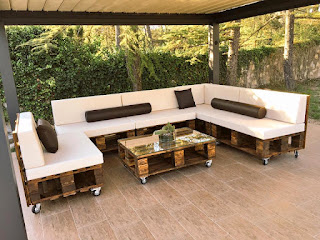
Woodworking Plans for Shelves

Comprehensive Guide to Woodworking Plans for Shelves

Shelves, seemingly simple structures, offer a remarkable versatility in both functionality and aesthetic appeal. From humble utility shelves in a garage to meticulously crafted display units in a living room, the potential applications are vast. This comprehensive guide delves into the design, construction, and finishing techniques necessary to create durable and visually pleasing shelves, catering to various skill levels and design preferences.

Planning and Design Considerations

Before embarking on the construction process, meticulous planning is paramount. This phase lays the groundwork for a successful project, minimizing errors and maximizing the efficiency of material usage and labor. Several key factors need careful consideration:

Determining Shelf Purpose and Location

The intended purpose of the shelves significantly influences design decisions. Heavy-duty shelving, such as those for storing tools or books, necessitates robust construction with thicker materials and more robust support structures. Conversely, decorative shelves intended for displaying items might prioritize aesthetics and require more intricate detailing. The location also plays a crucial role. Shelves installed in a high-humidity environment, like a bathroom, require water-resistant materials. Similarly, shelves in a child's room may demand additional safety features, such as rounded edges and secure mounting.

Material Selection: Wood Species and Dimensions

The choice of wood significantly impacts the shelf's durability, aesthetic appeal, and overall cost. Hardwoods like oak, maple, and cherry offer superior strength and longevity but come at a higher price point. Softwoods, such as pine and fir, represent a more economical option, suitable for many applications. The dimensions of the wood are equally crucial. The thickness of the shelves should be proportionate to the anticipated weight load; thicker shelves are needed for heavier items. The length and depth of the shelves depend on the available space and intended use.

Consider the following when choosing your wood:

  • Strength and Durability: Hardwood is generally stronger and more resistant to wear and tear.
  • Appearance: Different wood species have unique grain patterns and colors.
  • Cost: Hardwood is typically more expensive than softwood.
  • Workability: Some wood species are easier to work with than others.
  • Moisture Content: Using properly dried lumber is critical to prevent warping and cracking.

Sketching and Dimensioning: Creating Detailed Plans

Detailed sketches are invaluable for visualizing the final product and ensuring accurate cuts. These sketches should incorporate precise dimensions, including shelf lengths, depths, thicknesses, and the spacing between shelves. It's crucial to account for any necessary supports, brackets, or additional features. Consider using CAD software or drafting tools for greater accuracy, particularly for complex designs. Clearly labeling all dimensions and components will streamline the construction process and minimize the risk of errors.

Construction Techniques: Assembling Your Shelves

The construction phase requires precision and adherence to the established plan. The method used depends heavily on the design's complexity and the tools available. Several common techniques are detailed below:

Basic Shelf Construction: Simple Floating Shelves

Simple floating shelves offer a minimalist aesthetic and are relatively easy to construct. They typically involve two main components: the shelf itself and hidden brackets or supports. Measurements must be precise to ensure the shelf sits flush against the wall. The brackets are typically mounted to the wall studs for optimal stability. Hidden brackets provide a clean, uncluttered look. Before mounting, always ensure the wall is properly secured to support the weight of the shelf and its contents.

Advanced Shelf Construction: Multi-Tiered Units and Bookcases

Constructing multi-tiered units or bookcases demands a higher level of skill and precision. These projects often involve complex joinery techniques, such as dadoes, rabbets, or mortise and tenon joints. Dadoes and rabbets create strong, interlocking joints, while mortise and tenon joints offer exceptional strength and stability. These projects often require the use of jigs and templates for consistent and accurate cuts. Careful planning and execution are crucial to ensure the structure's integrity and stability.

Utilizing Various Joiners: Strength and Aesthetics

The selection of joinery techniques significantly impacts the shelf's strength and visual appeal. Simple butt joints, though easy to execute, offer limited strength and should only be used for light-duty shelves. More robust joints, such as dowel joints, pocket hole screws, or biscuits, offer significantly increased strength and stability. Selecting the appropriate joint depends on the intended load and aesthetic preferences. Each joint type has unique strengths and weaknesses, making careful consideration essential.

Finishing Techniques: Enhancing Appearance and Durability

Finishing the shelves not only enhances their aesthetic appeal but also protects the wood from damage and wear. A well-executed finish significantly extends the shelf's lifespan. Several techniques can be employed, depending on the desired look and level of protection:

Sanding and Preparation: Achieving a Smooth Surface

Thorough sanding is crucial to achieving a smooth, even surface. Multiple sanding stages, using progressively finer grits of sandpaper, are necessary to remove imperfections and prepare the wood for finishing. Proper sanding techniques minimize scratches and ensure a flawless final finish. Pay close attention to edges and corners, ensuring smooth transitions.

Applying Finishes: Protection and Aesthetics

A wide variety of finishes are available, each offering unique properties. Paints offer excellent protection and a vast array of color options. Stains enhance the wood's natural grain pattern while providing some protection. Varnishes and lacquers provide a durable, protective layer with a clear or slightly tinted finish. Choosing the appropriate finish depends on the desired aesthetic and the level of protection required. Multiple coats are often recommended for optimal durability.

Finishing Touches: Adding Personality and Detail

Once the primary finish is applied, consider adding finishing touches to personalize the shelves. This could involve decorative hardware, such as knobs or pulls, or subtle details like chamfered edges. These finishing touches enhance the shelves' aesthetic appeal and reflect the builder's individual style. Ensure all hardware is properly installed and securely fastened.

By following these guidelines, even novice woodworkers can create beautiful and functional shelves. Remember that meticulous planning, precision execution, and careful finishing are crucial for a successful project.

Share:

How to Construct a Wooden Ukulele for Beginners

Constructing a Wooden Ukulele: A Beginner's Guide

The construction of a ukulele, while seemingly intricate, is a rewarding project accessible to woodworking novices with patience and attention to detail. This comprehensive guide will detail the process, offering a structured approach suitable for beginners. Remember, safety is paramount. Always wear appropriate safety glasses and use caution when working with sharp tools and power equipment.

I. Planning and Material Selection

A. Choosing Your Ukulele Type

Before embarking on construction, select a ukulele type. The most common are the soprano, concert, tenor, and baritone. Soprano ukuleles are the smallest and most traditional, ideal for beginners due to their manageable size. Concert ukuleles are slightly larger, offering a richer tone. Tenor ukuleles provide a fuller sound, and baritone ukuleles are the largest, tuned like a guitar. Choosing your ukulele type dictates the dimensions of your final project.

B. Sourcing Wood

The selection of wood significantly impacts the ukulele's tone and aesthetic appeal. Several wood types are suitable, each with distinct sonic characteristics. Mahogany is a popular choice for its warm, balanced tone and relative affordability. Spruce, particularly Sitka spruce, is often used for the soundboard due to its resonant properties. Koa is a prized Hawaiian wood, known for its beautiful grain and rich tone, but it's more expensive. Consider your budget and desired tonal qualities when selecting wood. Ensure your wood is properly dried and free of significant defects.

C. Gathering Tools and Supplies

Constructing a ukulele requires a range of tools and materials. A comprehensive list includes:

  • Planer
  • Hand saw or band saw
  • Chisels
  • Sandpaper (various grits)
  • Clamps
  • Wood glue
  • Measuring tape and square
  • Pencil
  • Drill and drill bits
  • Ukulele bridge and nut blanks
  • Tuning pegs
  • Ukulele strings
  • Finishing materials (e.g., varnish, shellac)
  • Templates (highly recommended for accurate construction)

Acquiring high-quality tools will significantly improve accuracy and ease the construction process. Consider investing in reliable tools if possible.

II. Body Construction

A. Preparing the Wood

Once you have selected your wood, carefully plane it to the desired thickness according to your chosen plan. Accurately cut the wood to the dimensions specified in your chosen ukulele plan using a hand saw or band saw. Accuracy is paramount at this stage, as any errors will propagate through the project. Pay close attention to the grain direction to avoid splitting during gluing and bending.

B. Creating the Sides and Back

For the sides and back, you will typically need to use bent wood. This process requires carefully steaming the wood to make it pliable enough to bend to the ukulele's curved shape. Use a form or jig to maintain consistent curvature while the wood cools and sets. Secure the pieces with clamps to prevent warping during the drying process. Allow ample time for the wood to dry completely before proceeding.

C. Assembling the Body

Once the sides and back are ready, carefully glue and clamp them together. Use woodworking clamps to apply even pressure and ensure a tight, even joint. Allow the glue to cure completely according to the manufacturer's instructions. This step demands meticulous attention to detail to achieve a strong, well-sealed body.

D. Carving the Soundhole

Once the body is fully assembled and the glue has cured, carefully carve the soundhole using chisels and sandpaper. The soundhole's size and shape are crucial for the ukulele's tonal qualities. Use a template to maintain accuracy and symmetry.

III. Neck and Fretboard Construction

A. Shaping the Neck

The ukulele neck is typically made from a single piece of wood. Shape the neck according to your chosen plan, ensuring it's straight and appropriately sized. The neck's profile (thickness) is a matter of personal preference but should be comfortable to hold. Use a planer to achieve the desired thickness and shape. Sand the neck thoroughly to remove any imperfections.

B. Attaching the Fretboard

Glue the fretboard to the neck using high-quality wood glue. Ensure the fretboard is properly aligned and securely clamped. The fretboard should be level and accurately positioned to ensure proper fret spacing and playability. Allow the glue to cure completely.

C. Installing Frets

Precise fret placement is critical for playability. Use a fretting tool or accurately measure and mark the fret positions according to your chosen plan. Use a hammer and appropriate mallet to carefully install the frets, ensuring they're seated evenly and firmly. File and sand the frets to achieve a smooth, level playing surface.

IV. Finishing and Assembly

A. Preparing for Finishing

Before applying a finish, carefully sand the entire ukulele to achieve a smooth surface. Start with coarser sandpaper and gradually move to finer grits. Proper sanding removes any imperfections and prepares the wood for the finish.

B. Applying the Finish

Apply several thin coats of your chosen finish, allowing each coat to dry completely before applying the next. Sand lightly between coats to remove any imperfections or dust. The finish protects the ukulele from damage and enhances its appearance. Several coats are usually required for a durable and aesthetically pleasing finish.

C. Final Assembly

Once the finish is fully cured, install the bridge, tuning pegs, and strings. Carefully adjust the bridge's height to ensure proper string action. Tune the ukulele and adjust the string tension as needed.

V. Conclusion

Constructing a ukulele is a challenging but rewarding endeavor. Patience, precision, and attention to detail are essential for success. While this guide provides a framework, further research and practice are crucial for mastering the art of ukulele construction. With careful planning, diligent work, and a touch of creativity, you can create a beautiful and playable instrument.

Share:

Free desk woodworking plans for small and large workspaces

Free Desk Woodworking Plans for Small and Large Workspaces

The allure of a handcrafted desk, tailored precisely to one's needs and aesthetic preferences, is undeniable. Whether you crave a minimalist workspace for a small apartment or a sprawling desk to accommodate multiple monitors and extensive projects, the satisfaction of building your own is unparalleled. This comprehensive guide provides detailed information and free woodworking plans for constructing desks of various sizes and styles, catering to both novice and experienced woodworkers. We will explore diverse designs, material considerations, and essential tools, ensuring you embark on your project with confidence and a clear understanding of the process.

Designing Your Desk: Considerations for Small and Large Spaces

Before diving into the construction process, meticulous planning is crucial. The size and functionality of your desk should align seamlessly with the available space and your intended usage. Consider the following factors when designing your desk:

Space Optimization for Small Workspaces

For smaller spaces, maximizing space efficiency is paramount. A compact, floating desk design can be an excellent solution, minimizing the visual footprint while offering ample workspace. Consider incorporating drawers or shelves for storage to keep your workspace clutter-free. A corner desk can also be space-saving, effectively utilizing an often-underutilized area of the room. Multi-functional designs, such as desks with integrated shelving units or hidden compartments, further enhance space utilization.

Ample Space for Large Workspaces

Larger workspaces offer more flexibility in design. You can opt for a larger, more expansive desk, perhaps incorporating multiple sections for different tasks, such as a writing area, a computer station, and a dedicated space for paperwork. A standing desk converter can be integrated for ergonomic benefits. Consider incorporating built-in organizers and cable management systems to keep the large surface area neat and organized. The larger footprint allows for more elaborate designs, including intricate details and custom storage solutions.

Material Selection: A Crucial Decision

The choice of wood significantly impacts the desk's durability, aesthetic appeal, and overall cost. Hardwoods such as oak, maple, and cherry offer exceptional durability and a rich, luxurious appearance, albeit at a higher price point. Softwoods like pine and fir are more budget-friendly and relatively easy to work with, making them ideal for beginners. Consider the wood's grain pattern, color, and finish when making your selection. Ensure the wood is properly seasoned to prevent warping or cracking during and after construction. Other materials, like plywood or MDF, can be incorporated for specific parts, offering cost-effectiveness and stability.

Free Woodworking Plans: Detailed Instructions

Below, we present two detailed plans â€" one for a small floating desk and another for a larger L-shaped desk. These plans provide comprehensive instructions, including detailed diagrams and cut lists.

Plan 1: Small Floating Desk

Materials:

  • 1 sheet of ¾” plywood (your chosen dimensions)
  • 2 support brackets (metal or wood)
  • Wood screws
  • Wood glue
  • Sandpaper (various grits)
  • Wood finish (stain, paint, or varnish)

Instructions:

  1. Cut the plywood to your desired dimensions, ensuring accurate measurements.
  2. Sand all edges and surfaces smoothly.
  3. Apply your chosen wood finish, following the manufacturer's instructions.
  4. Securely attach the support brackets to the wall, ensuring they can support the weight of the desk.
  5. Carefully mount the plywood desktop onto the brackets.

Note: This is a simplified plan. Adjust dimensions and add features such as drawers or shelves as desired. Consult additional resources for more complex designs.

Plan 2: Large L-Shaped Desk

Materials:

  • Multiple sheets of ¾” or 1” plywood or solid wood (depending on size and design)
  • Wood screws
  • Wood glue
  • Drawer slides (if incorporating drawers)
  • Cabinet hardware (hinges, knobs, etc., if applicable)
  • Sandpaper (various grits)
  • Wood finish (stain, paint, or varnish)

Instructions:

  1. Create detailed drawings of the desk, including dimensions and cut lists for all components. This will ensure accurate cuts and assembly.
  2. Cut all the pieces according to your design. Accurate cuts are critical for a sturdy and aesthetically pleasing final product. Use a miter saw or table saw for precise cuts.
  3. Assemble the desk frame. Begin with the legs and support structure, carefully securing each joint with wood glue and screws. Ensure all joints are square and aligned properly.
  4. Attach the desktop panels to the frame, ensuring a flush and secure fit.
  5. Install drawers or cabinets (if included in your design), using appropriate hardware.
  6. Sand all surfaces smooth. Pay careful attention to corners and edges to avoid splinters or rough areas.
  7. Apply the chosen wood finish, ensuring even coverage and following the manufacturer’s recommendations.

Note: This is a simplified overview. The complexity of an L-shaped desk varies greatly depending on the design. Detailed plans and drawings are recommended for this project. Consider consulting advanced woodworking resources for detailed joinery techniques.

Essential Tools and Safety Precautions

Before beginning your project, ensure you have the necessary tools and a safe workspace. Essential tools include:

  • Measuring tape and square
  • Saw (circular saw, miter saw, or hand saw)
  • Drill and drill bits
  • Screwdriver
  • Sandpaper (various grits)
  • Clamps
  • Safety glasses and dust mask

Safety Precautions: Always prioritize safety. Wear appropriate safety gear, including safety glasses and a dust mask. Use clamps to secure your workpieces, preventing accidents. Follow all tool manufacturer instructions carefully. Maintain a clean and organized workspace to minimize the risk of injury.

Constructing your own desk is a rewarding endeavor, offering the unique opportunity to create a workspace that perfectly reflects your style and needs. By carefully planning your design, selecting appropriate materials, and following safe practices, you can craft a functional and beautiful desk that will serve you for years to come. Remember to consult additional resources and tutorials for more detailed guidance and inspiration throughout your project.

Share:

DIY executive desk plans for professional-looking furniture

Crafting a Professional Executive Desk: A Comprehensive DIY Guide

The executive desk stands as a symbol of authority, productivity, and refined taste. While commercially available options abound, constructing your own desk offers unparalleled customization and the satisfaction of creating a truly bespoke piece. This guide provides a detailed blueprint for crafting a professional-looking executive desk, encompassing material selection, design considerations, and meticulous construction techniques. With careful planning and execution, you can build a functional and aesthetically pleasing workspace that reflects your personal style and professional aspirations.

I. Design & Planning: The Foundation of Excellence

Before embarking on the construction process, a comprehensive design plan is paramount. This stage dictates the overall aesthetic, functionality, and dimensions of your desk. Careful consideration should be given to the following aspects:

A. Dimensions and Layout

Determine the ideal dimensions of your desk based on your workspace and personal preferences. Consider the available floor space, the type of work you perform, and the amount of storage required. A typical executive desk might range from 60 to 84 inches in width and 30 to 36 inches in depth. Sketch multiple layouts, exploring different arrangements of drawers, shelves, and work surfaces. Account for legroom and comfortable elbow space.

B. Material Selection: A Symphony of Style and Durability

The choice of materials significantly impacts both the aesthetic appeal and structural integrity of your desk. Solid hardwood, such as oak, cherry, or walnut, offers exceptional durability, rich grain patterns, and a timeless elegance. However, it requires significant woodworking skills and can be expensive. Plywood provides a more affordable alternative, offering stability and strength when constructed correctly. Consider using high-quality hardwood veneer for a more luxurious appearance. For the desk's surface, a high-pressure laminate offers excellent durability and resistance to scratches and stains. Other options could be high-end melamine or even a solid surface material, depending on budget and desired aesthetics.

C. Drawers and Storage: Optimizing Functionality

Incorporate drawers and storage compartments to maintain a tidy and organized workspace. The number and size of drawers should align with your storage needs. Consider using dovetail joinery for drawers, offering strength and a professional finish. Implement features such as drawer dividers or organizers for efficient storage of stationery and other office supplies. A built-in cable management system can further enhance functionality by neatly concealing cords and wires.

D. Hardware and Finishes: The Finishing Touch

Choose high-quality hardware, such as sturdy drawer slides, robust hinges, and elegant knobs or pulls, to enhance both functionality and aesthetics. Select a finish that complements the chosen wood and overall design. Options include staining, painting, or applying a clear coat to protect the wood and enhance its natural beauty. Consider a protective sealant or wax for added durability. The quality of your hardware and finish contributes substantially to the overall impression of professionalism.

II. Construction: Precision and Craftsmanship

The construction process demands precision, attention to detail, and a thorough understanding of woodworking techniques. Safety precautions, including the use of appropriate safety glasses and dust masks, are paramount throughout the process.

A. Cutting and Assembling the Frame

Begin by accurately cutting the wood pieces according to your design plan. Employ precise measuring and cutting techniques to ensure accuracy and prevent errors. Utilize appropriate joinery techniques, such as mortise and tenon, dowel joints, or pocket hole joinery, to create strong and durable connections. Ensure all joints are square and tightly fitted. Use wood glue and clamps to secure the joints and allow ample drying time.

B. Constructing the Drawers

Build the drawers using high-quality materials and precise measurements. Consider using dovetail joinery or other strong methods for durability. Install high-quality drawer slides that operate smoothly and silently. Ensure drawers fit snugly and operate without resistance. Add drawer dividers or organizers to enhance functionality.

C. Installing the Desk Surface

Secure the desk surface to the frame using appropriate fasteners. Ensure the surface is level and firmly attached. If using laminate, ensure proper edge banding to prevent chipping and maintain a professional appearance. For solid wood, consider a slightly beveled edge for a more refined look.

D. Finishing Touches: Refinement and Detail

Sand all surfaces thoroughly to achieve a smooth finish. Apply stain or paint according to your chosen color scheme. Apply multiple coats of protective sealant or varnish to ensure durability and enhance the overall look. Install all hardware, ensuring proper alignment and functionality. Clean the desk thoroughly, removing any dust or debris from the construction process.

III. Advanced Features: Elevating Your Desk to Executive Status

To truly elevate your DIY executive desk beyond the ordinary, consider incorporating these advanced features:

A. Built-in Cable Management

Integrate a system for managing cables and wires, keeping your workspace tidy and professional. This can involve using channels, grommets, or other mechanisms to route cables neatly and efficiently.

B. Integrated Power Outlets

Adding power outlets to the desk provides convenient access to power for computers, monitors, and other devices. Ensure compliance with all electrical codes and regulations.

C. Keyboard Tray

A pull-out keyboard tray optimizes workspace ergonomics and creates a more professional, streamlined workspace.

D. Built-in Lighting

Incorporate task lighting to enhance visibility and create a more professional and sophisticated ambiance. Use LED strip lighting for energy efficiency and customizable lighting.

IV. Conclusion: A Testament to Craftsmanship

Constructing your own executive desk is a rewarding endeavor that allows for complete customization and results in a truly unique piece of furniture. By following these detailed instructions, paying meticulous attention to detail, and utilizing high-quality materials, you can create a professional-looking desk that enhances your workspace and reflects your personal style and commitment to excellence. Remember, the process is as important as the end product; enjoy the journey of creation and the pride of owning a custom-built piece of furniture.

Share:

How to build a writing desk with detailed woodworking instructions

Crafting Your Dream Writing Desk: A Comprehensive Guide

The allure of a handcrafted writing desk is undeniable. It's more than just a piece of furniture; it's a testament to your skill and a personalized workspace that reflects your style. This detailed guide will walk you through building your own, equipping you with the knowledge and confidence to create a beautiful and functional desk perfect for your needs. We'll cover everything from material selection to finishing touches, ensuring a rewarding woodworking experience.

Phase 1: Planning and Preparation

Before you even pick up a saw, meticulous planning is crucial. Start by sketching your design. Consider the dimensionsâ€"how much space do you need? What features are essential? Draw several views (front, side, top) to visualize the desk's structure. Detailed drawings are paramount for accurate cutting and assembly. Decide on your preferred wood type; hardwoods like oak, maple, or cherry offer durability and elegance, while softer woods like pine provide a more affordable option. Next, create a detailed cutting list, specifying the dimensions of each piece. This list will become your blueprint throughout the process, minimizing errors and maximizing efficiency.

Choosing Your Lumber

Selecting the right lumber significantly impacts the final product's quality and aesthetics. Hardwoods offer superior durability and a richer look, but come at a higher cost. Softer woods are easier to work with but may require more care during assembly and finishing. Consider the grain patternâ€"a consistent grain will lead to a more visually appealing piece. Ensure your lumber is properly dried to prevent warping or cracking later on. Check for knots and imperfections â€" these can affect the structural integrity and overall appearance. Always buy slightly more lumber than your calculations indicate to account for potential mistakes or irregularities.

Phase 2: Cutting and Shaping

With your plans finalized and lumber acquired, it’s time to get your hands dirty. Using accurate measurements from your cutting list, cut all your pieces to size. A miter saw offers precise cuts, while a hand saw provides a more traditional approach. For intricate curves or shaping, a jigsaw or bandsaw will be invaluable. Remember to always prioritize safety; wear appropriate safety glasses and hearing protection. Take your time and ensure accurate cuts; rushing can lead to irreversible errors. Number each piece as you cut it to ensure easy identification during assembly. This seemingly minor step drastically reduces confusion during the build.

Essential Tools

For this project you'll need a selection of woodworking tools:

  • Measuring tape and square
  • Pencil
  • Miter saw or hand saw
  • Jigsaw or bandsaw (for curves)
  • Drill with various drill bits
  • Screwdriver or impact driver
  • Clamps
  • Sandpaper (various grits)
  • Wood glue
  • Wood finish (of your choice)
This list isn't exhaustive, but it provides a solid starting point. Additional tools might be needed depending on your specific design.

Phase 3: Assembly and Finishing

Assembly is where your design takes shape. Carefully apply wood glue to the joints, ensuring a strong bond. Use clamps to hold the pieces firmly in place while the glue dries. Follow your plans precisely, ensuring everything aligns correctly. Pre-drill pilot holes before screwing pieces together to prevent the wood from splitting. For added strength, consider using dowels or other joinery techniques. Once assembled, sand the desk thoroughly, starting with coarser grit sandpaper and gradually moving to finer grits for a smooth finish. This meticulous sanding is crucial for a professional look and feel.

Applying the Finish

The finishing touches elevate your desk from a functional piece of furniture to a statement piece. Choose a finish that complements the wood and your personal style. Options include varnish, polyurethane, stain, or a combination of these. Apply the finish in thin, even coats, allowing each coat to dry completely before applying the next. Sand lightly between coats to ensure a flawless finish. Once the finish is fully cured, admire your handcrafted masterpiece. The satisfaction of building something with your own two hands is unparalleled.

Building a writing desk is a challenging yet rewarding endeavor. This guide provides a solid foundation, but remember to embrace the process, learn from any mistakes, and most importantly, enjoy the journey of creating something truly special.

Share:

Modern Pallet Furniture

Modern Pallet Furniture: A Comprehensive Exploration of Design, Sustainability, and Functionality

The resurgence of pallet furniture represents a fascinating intersection of design innovation, sustainable resource management, and economic accessibility. Once relegated to the realm of industrial shipping and storage, repurposed pallets have transitioned into a highly sought-after material for creating unique and stylish furniture pieces. This exploration delves into the multifaceted aspects of modern pallet furniture, examining its aesthetic appeal, environmental impact, design considerations, and the growing market trends that contribute to its enduring popularity.

The Aesthetic Appeal of Pallet Furniture

Modern pallet furniture defies simplistic categorization. Its aesthetic versatility allows it to seamlessly integrate into a wide range of interior design styles, from rustic farmhouse chic to minimalist contemporary settings. The inherent textural qualities of reclaimed wood pallets, characterized by their weathered surfaces, visible nail holes, and varied grain patterns, contribute to a distinct charm that is both inherently raw and aesthetically refined.

Rustic Charm and Industrial Aesthetics

The natural patina of aged wood pallets lends itself perfectly to rustic designs. The visible grain and imperfections are not masked but rather celebrated, adding to the overall authenticity and warmth of the piece. This style often complements other natural materials like stone, exposed brick, and linen fabrics, creating a cohesive and inviting atmosphere. In contrast, a more industrial aesthetic can be achieved by retaining the pallet's structural integrity while employing a minimalist approach to design. Clean lines, metallic accents, and a monochromatic color palette accentuate the raw, utilitarian beauty of the reclaimed wood.

Contemporary Interpretations and Customization

Modern interpretations of pallet furniture transcend the limitations of traditional rustic styles. Designers are increasingly exploring innovative approaches to utilizing pallet wood, incorporating techniques like sanding, staining, painting, and distressing to achieve diverse aesthetic outcomes. This allows for customization that caters to individual preferences and seamlessly blends pallet furniture into contemporary living spaces. The ability to tailor the finish, add unique hardware, or integrate other materials like upholstery or glass elevates pallet furniture beyond its utilitarian origins, transforming it into sophisticated and individualized pieces.

Sustainability and Environmental Impact

The eco-conscious appeal of pallet furniture is a significant driving force behind its growing popularity. By repurposing discarded materials, pallet furniture contributes to a circular economy, reducing waste and minimizing the environmental footprint associated with traditional furniture manufacturing. The utilization of reclaimed wood reduces the demand for newly harvested timber, thus preserving natural forests and minimizing deforestation.

Reducing Landfill Waste and Promoting Upcycling

The repurposing of pallets directly addresses the problem of landfill waste. Millions of pallets are discarded annually, contributing significantly to environmental pollution. By transforming these discarded materials into functional and aesthetically pleasing furniture, the practice of pallet furniture making actively contributes to waste reduction and promotes sustainable consumption patterns. Upcycling, the process of transforming waste materials into valuable products, is at the heart of the pallet furniture movement, offering a practical and environmentally responsible alternative to conventional furniture production.

Carbon Footprint Reduction and Material Sourcing

The carbon footprint associated with the production of pallet furniture is considerably lower than that of conventionally manufactured furniture. This reduction stems from the elimination of resource extraction and energy-intensive manufacturing processes required for creating new furniture from raw materials. Responsible sourcing of pallets is, however, crucial to ensure the environmental benefits are maximized. Prioritizing pallets from reputable sources that adhere to sustainable forestry practices and avoid the use of treated wood containing harmful chemicals is essential for preserving the ecological integrity of the pallet furniture movement.

Design Considerations and Construction Techniques

While the aesthetic appeal of pallet furniture is undeniable, its successful implementation requires careful consideration of design principles and construction techniques. The structural integrity of pallets, their dimensional variations, and the potential presence of embedded nails and splinters necessitate a thoughtful approach to design and assembly.

Structural Integrity and Stability

The inherent structure of a pallet, while robust for its intended purpose, may not be suitable for all furniture applications without modification. Careful assessment of the pallet’s condition and reinforcement where necessary are crucial to ensure the stability and longevity of the finished piece. Adding supports, bracing, or using additional lumber can significantly improve structural integrity, particularly for larger or more complex designs.

Surface Preparation and Finishing

Before embarking on any design project, thorough surface preparation is essential. This involves removing any loose nails, splinters, or debris. Sanding to smooth the surface ensures a safe and aesthetically pleasing finish. The choice of finishâ€"whether paint, stain, varnish, or a combinationâ€"depends on the desired aesthetic and level of protection required. Proper sealing protects the wood from moisture damage and enhances its durability.

Creative Design Adaptations and Innovative Uses

The rectangular nature of pallets presents certain design constraints, but also inspires creative adaptations. Pallets can be disassembled and reassembled into various configurations, creating unique shapes and functionalities. Innovative designs integrate pallets with other materials such as metal, glass, fabric, and other types of wood, allowing for a wide range of stylistic expression and functional possibilities.

Market Trends and Future Prospects

The market for pallet furniture continues to expand, driven by both consumer demand and entrepreneurial innovation. The increasing awareness of sustainability, coupled with the affordability and aesthetic appeal of pallet furniture, contribute to its widespread adoption.

Growing Consumer Demand for Sustainable and Affordable Furniture

Consumers are increasingly seeking furniture that aligns with their values, prioritizing sustainability and affordability. Pallet furniture perfectly addresses these demands, offering a unique blend of environmental consciousness and economic practicality. This growing consumer preference is driving the expansion of the market, creating opportunities for both individual artisans and larger-scale businesses.

Emergence of Specialized Businesses and Online Marketplaces

The burgeoning interest in pallet furniture has led to the emergence of specialized businesses dedicated to designing, manufacturing, and selling pallet furniture. Online marketplaces have also facilitated the growth of this sector, connecting artisans and consumers efficiently. This expanding market infrastructure caters to the diverse needs and preferences of consumers, offering a wide range of styles, designs, and price points.

Innovation in Design and Material Integration

Ongoing innovation in design and material integration is crucial for maintaining the momentum of the pallet furniture market. Exploring new techniques, experimenting with different finishing methods, and incorporating diverse materials to create unique and functional pieces are essential for sustaining consumer interest and expanding the aesthetic possibilities of pallet furniture.

In conclusion, modern pallet furniture represents a powerful and compelling example of sustainable design and resourcefulness. Its aesthetic versatility, environmental benefits, and affordability contribute to its enduring popularity, making it a significant and promising trend within the broader context of contemporary furniture design. The continued innovation and exploration within this field suggest a bright future for pallet furniture, ensuring its position as a significant player in the global furniture market.

Share:

Reclaimed Wood Pallets

Reclaimed Wood Pallets: A Treasure Trove of Rustic Charm

Hey there, fellow DIY enthusiasts and upcycling aficionados! Ever walked past a stack of discarded wooden pallets and thought, "There's gotta be something I can do with those?" Well, you're not alone! Reclaimed wood pallets are a fantastic resource for all sorts of creative projects, and I'm here to tell you why. Let's dive into the world of pallet potential!

Why Choose Reclaimed Wood Pallets?

Before we jump into projects, let's talk about the *why*. Why should you choose reclaimed wood pallets over brand-new lumber? There are a few compelling reasons:

Eco-Friendly Choice

First and foremost, using reclaimed wood is incredibly eco-friendly. It diverts waste from landfills, reducing our environmental footprint. Think of it as giving these discarded pieces of wood a second life, a second chance to shine!

Cost-Effective

Let's be honest, lumber can be expensive! Reclaimed wood pallets are a budget-friendly alternative. You can often find them for free or very little cost from businesses that receive shipments. It's a great way to save money on your next DIY project.

Unique Character

This is where things get really exciting. Reclaimed wood pallets boast a unique character that you just can't replicate with new lumber. Each pallet tells a story â€" the weathered wood, the subtle imperfections, the markings from previous use â€" it all adds to their rustic charm. This makes them perfect for creating pieces with a vintage or industrial feel.

Durability

Don't let the weathered look fool you; these pallets are often surprisingly durable. They're built to withstand shipping and handling, so they can handle a lot of wear and tear in your projects. Just be sure to check them carefully for any damage before getting started.

Preparing Your Reclaimed Pallets

Before you start building your masterpiece, it's essential to properly prepare your reclaimed wood pallets. This step is crucial for safety and the longevity of your project.

Safety First!

Always wear appropriate safety gear when working with reclaimed wood, including gloves, safety glasses, and a dust mask. Some pallets might have been treated with chemicals, so it’s best to err on the side of caution.

Cleaning and Inspection

Give your pallets a thorough cleaning. Use a stiff brush and some soapy water to remove dirt, debris, and any lingering pests. Inspect the wood for any damage â€" cracks, splinters, or rot â€" and address those issues before proceeding. If you find any significant damage, you might need to replace the affected pieces.

Disassembly

Carefully disassemble the pallet. This is often easier said than done, as the nails can be stubborn! Use a pry bar and hammer to carefully remove the nails. Take your time; rushing this step can lead to injury.

Sanding

Once the pallet is disassembled, you'll likely want to sand the wood to smooth out any rough edges and splinters. Start with coarser sandpaper and gradually move to finer grit for a smoother finish.

Project Ideas for Reclaimed Wood Pallets

Now for the fun part! The possibilities are endless when it comes to projects you can create with reclaimed wood pallets. Here are a few ideas to get your creative juices flowing:

Furniture

Create unique and rustic furniture pieces, such as coffee tables, shelving units, headboards, or even outdoor benches. The possibilities are endless!

Wall Decor

Transform your walls with rustic pallet art. Create a pallet wall, a unique headboard, or even a rustic mirror frame.

Vertical Gardens

Build a vertical garden to add some greenery to your home or outdoor space. The natural wood complements plants beautifully.

Outdoor Projects

Use your pallets to build a stylish and sturdy outdoor structure such as a potting bench, a raised garden bed or even a small shed.

Home Accessories

Craft a wide variety of home accessories from candle holders and picture frames to coasters and serving trays â€" let your imagination run wild!

Finishing Touches

Once your project is built, you can add some finishing touches to really make it shine. Consider staining, painting, or applying a sealant to protect the wood and enhance its natural beauty. A simple coat of varnish can add a nice sheen and help protect against the elements (particularly important for outdoor projects).

Commonly Asked Questions

Here are some frequently asked questions about working with reclaimed wood pallets:

  • Where can I find free pallets? Check with local businesses, such as grocery stores, construction sites, and shipping companies. Many are happy to give them away!
  • Are all pallets safe to use? Not necessarily. Some pallets are treated with chemicals that may be harmful. Look for heat-treated pallets (HT) or those marked with IPPC stamps, indicating they're safe for indoor use.
  • How do I clean the pallets properly? Use a stiff brush and soapy water to remove dirt and debris. Consider using a pressure washer for stubborn dirt. Always allow them to dry completely before starting your project.
  • What kind of tools do I need? You'll likely need a hammer, pry bar, safety glasses, gloves, sandpaper, and possibly a saw or other power tools depending on your project.
  • Can I use reclaimed pallets for indoor projects? Yes, but ensure they are heat-treated or marked with the appropriate IPPC stamp to avoid potential chemical hazards.
  • What kind of finish should I use? This depends on your project and personal preference. Options include paint, stain, varnish, or sealant. Consider the location of your project (indoor or outdoor) when selecting your finish.

I hope this guide has inspired you to explore the creative potential of reclaimed wood pallets! Remember to always prioritize safety and have fun with your project. Happy crafting!

Share: