DIY wooden furniture for outdoor spaces

Crafting Durable and Stylish Wooden Furniture for Outdoor Environments

The allure of handcrafted wooden furniture for outdoor spaces is undeniable. It offers a unique blend of rustic charm, enduring strength, and a personalized touch unmatched by mass-produced alternatives. This article will provide a comprehensive guide to designing, constructing, and maintaining your own DIY wooden outdoor furniture, emphasizing durability and aesthetic appeal.

Selecting the Appropriate Timber

The longevity and performance of your outdoor furniture are intrinsically linked to the choice of wood. Not all timbers are created equal when exposed to the elements. Certain species possess natural resistance to rot, decay, and insect infestation, making them ideal candidates for outdoor applications.

Hardwoods for Superior Durability

Hardwoods generally exhibit greater density and strength than their softwood counterparts. This inherent toughness translates to increased resistance to wear and tear, making them a preferred choice for outdoor furniture. Popular options include:

  • Teak: Renowned for its exceptional durability, weather resistance, and rich golden hue. Teak naturally contains oils that repel water and insects, minimizing maintenance requirements.
  • Ipe (Brazilian Walnut): Exceptionally hard and dense, Ipe boasts extraordinary resistance to rot, decay, and insect attack. Its rich brown color deepens over time, adding to its aesthetic appeal.
  • Cedar: A naturally aromatic wood with inherent insect-repelling properties. Cedar is relatively easy to work with, making it a suitable choice for DIY projects. However, it requires regular treatment to maintain its resistance to decay.
  • Redwood: Known for its rich reddish-brown color and natural resistance to rot and decay. Redwood is a relatively softer hardwood compared to Ipe or Teak, but still provides excellent durability with proper treatment.

Softwoods: Considerations and Treatments

Softwoods, while generally less durable than hardwoods, can be utilized for outdoor furniture with careful selection and appropriate treatment. Species like pressure-treated pine offer cost-effective alternatives, but require regular maintenance to prevent rot and decay.

  • Pressure-Treated Pine: Chemically treated to resist rot and insect attack. However, the chemicals used may be detrimental to the environment and require careful handling.
  • Cypress: A naturally durable softwood with inherent resistance to rot and decay, making it a sustainable choice for outdoor projects. However, it may be more expensive than pressure-treated pine.

Regardless of the chosen timber, careful consideration should be given to the wood's moisture content. Properly dried lumber is crucial to minimize warping, cracking, and shrinkage after construction.

Design and Planning: A Blueprint for Success

Before embarking on construction, meticulous planning is paramount. A well-defined design ensures a structurally sound and aesthetically pleasing piece of furniture. This stage involves several key steps:

Sketching and Dimensioning

Begin by sketching your desired furniture piece, noting precise dimensions for all components. Consider ergonomics, ensuring comfortable seating and appropriate proportions for the intended use. Detailed sketches are crucial for accurate cutting and assembly.

Material List and Quantity Calculation

Based on your design, create a comprehensive list of all required materials, including lumber, fasteners (screws, bolts, etc.), wood glue, and finishing materials. Accurately calculating the required quantity of each item prevents mid-project delays and material waste.

Choosing the Right Joinery Techniques

The selection of appropriate joinery techniques significantly impacts the furniture's strength and longevity. Outdoor furniture requires robust joints capable of withstanding environmental stresses. Consider the following:

  • Mortise and Tenon Joints: These traditional joints offer exceptional strength and durability, ideal for load-bearing components.
  • Dowel Joints: Relatively simple to construct, dowel joints provide adequate strength when used in conjunction with wood glue.
  • Pocket Hole Joinery: A modern technique using pocket hole screws, offering a strong and relatively hidden joinery solution.

The chosen joinery method should be appropriate for the specific design and the skill level of the builder.

Construction and Assembly: A Step-by-Step Approach

Once the design and planning stages are complete, the construction phase can commence. This involves precise cutting, accurate assembly, and careful attention to detail.

Cutting and Shaping the Lumber

Employ appropriate tools, such as saws (circular saw, miter saw, hand saw), to accurately cut the lumber to the specified dimensions. Ensure smooth, clean cuts to facilitate accurate assembly and enhance the overall aesthetic appeal.

Assembly and Securing the Joints

Assemble the components according to the chosen joinery methods. Use wood glue to enhance the joint strength and stability. Pre-drill pilot holes for screws to prevent wood splitting. Tighten fasteners securely but avoid over-tightening.

Sanding and Smoothing Surfaces

Once assembled, thoroughly sand all surfaces to remove any roughness or splinters. Start with coarser grit sandpaper and gradually progress to finer grits for a smooth finish. Proper sanding is crucial for a comfortable and aesthetically pleasing final product.

Finishing and Protection: Enhancing Durability and Aesthetics

The final stage involves applying a suitable finish to protect the wood from the elements and enhance its appearance. This crucial step significantly extends the lifespan of your outdoor furniture.

Choosing the Right Finish

Several options exist for finishing outdoor wooden furniture, each with its own advantages and disadvantages:

  • Exterior-Grade Varnish: Provides a durable, clear finish that protects against UV rays and moisture.
  • Exterior-Grade Paint: Offers excellent protection against the elements and allows for customization of color.
  • Wood Stain: Penetrates the wood, enhancing its natural beauty while providing some protection against UV damage and moisture.
  • Oil-Based Finishes: Penetrate deeply into the wood, providing excellent protection and a natural look. However, they require more frequent reapplication.

The chosen finish should be compatible with the type of wood and the desired aesthetic.

Application and Maintenance

Apply the finish according to the manufacturer's instructions. Multiple coats may be required for optimal protection. Regular maintenance, including cleaning and reapplication of the finish as needed, will significantly extend the life of your furniture. Consider using a UV protectant to maintain the color and prevent fading.

By carefully following these steps, you can create durable and aesthetically pleasing wooden furniture that will enhance your outdoor space for years to come. Remember that proper planning, quality materials, and meticulous craftsmanship are key to success in this rewarding DIY endeavor.

Share:

Wooden Pallet Shelves

Upcycled Elegance: A Comprehensive Guide to Wooden Pallet Shelves

The utilization of reclaimed wood in interior design has experienced a significant surge in popularity, driven by a confluence of factors: environmental consciousness, a desire for rustic aesthetics, and the inherent affordability of repurposed materials. Among the most versatile and readily available sources of reclaimed wood are wooden pallets, often discarded after fulfilling their primary logistical function. This guide will delve into the multifaceted world of wooden pallet shelves, exploring their construction, design considerations, safety precautions, and the overall aesthetic contribution they can make to any living space.

Acquiring and Preparing Pallets for Shelf Construction

The initial step in crafting wooden pallet shelves involves sourcing the pallets themselves. This can often be achieved through free acquisition from local businesses, such as grocery stores, construction sites, or even directly from shipping companies. However, it is crucial to exercise due diligence in selecting appropriate pallets. Not all pallets are created equal; some may be treated with chemical preservatives or have structural compromises that render them unsuitable for indoor use.

Identifying Suitable Pallets

Heat Treatment: Look for the HT stamp, indicating that the pallet has undergone heat treatment to eliminate pests and pathogens. This is essential for indoor applications to ensure a safe and healthy environment. Pallets marked with MB (methyl bromide treatment) should be avoided as this fumigant is harmful to humans and the environment.

Structural Integrity: Inspect the pallet for signs of damage, including broken boards, loose nails, significant warping, or excessive rot. Any substantial defects should disqualify the pallet for use. Examine the wood for splinters or sharp edges. Significant damage may necessitate extensive repairs or complete replacement of damaged components.

Wood Type: While not always clearly identifiable, the type of wood used can impact the shelf's durability and aesthetic appeal. Hardwoods tend to be more robust and visually appealing than softwoods.

Cleaning and Sanitizing Pallets

Once suitable pallets have been identified, they must undergo thorough cleaning and sanitization. This process is crucial to eliminate any potential contaminants, insects, or lingering chemicals. A pressure washer can be highly effective in removing dirt, debris, and loose wood fragments. Follow the pressure washing with a thorough scrubbing using a stiff-bristled brush and a solution of warm water and mild detergent.

For further sanitation, consider a light sanding to remove any stubborn dirt, splinters, or imperfections. Afterwards, allow the pallet to dry completely before proceeding to the next stage of construction.

Designing and Constructing Wooden Pallet Shelves

The design possibilities for wooden pallet shelves are virtually limitless. The inherent rustic charm of the wood lends itself to a variety of styles, from minimalist and modern to rustic and farmhouse. Careful consideration should be given to the size, shape, and placement of the shelves to optimize functionality and aesthetic integration within the surrounding environment.

Measuring and Cutting

Accurate measurement is paramount to ensure the shelves fit their intended space. Use a measuring tape to determine the precise dimensions required, taking into account the existing wall structure and desired shelf depth. If cutting is required, use a saw appropriate for the type of wood, whether a handsaw, circular saw, or reciprocating saw. Always prioritize safety by wearing appropriate personal protective equipment (PPE).

Assembling the Shelves

The assembly process can vary depending on the desired design and the condition of the pallet. For simpler designs, individual pallet slats may be detached and reattached to create a custom configuration. Alternatively, entire sections of the pallet may be used to create more substantial shelves. In either case, robust fastening is crucial to ensure the structural integrity and safety of the shelves. Strong screws, appropriately sized for the wood type and thickness, are recommended over nails for superior holding power.

Finishing Touches

Once the shelves are assembled, they can be further enhanced with a variety of finishing techniques. Sanding will smooth any rough edges and surfaces, improving both the aesthetics and the tactile experience. A protective sealant, such as varnish or polyurethane, will protect the wood from moisture damage and enhance its longevity. Painting or staining can further customize the aesthetic appeal, allowing for seamless integration into any existing décor.

Safety Considerations and Maintenance

The construction and use of wooden pallet shelves involve certain safety considerations that must be addressed. Always exercise caution when handling power tools and wear appropriate PPE, including safety glasses, gloves, and dust masks. Ensure that the shelves are securely attached to the wall using appropriate wall anchors, especially for heavier loads. Regular inspection of the shelves for any signs of damage or wear is vital to prevent accidents.

Weight Capacity and Load Distribution

Wooden pallets have varying weight capacities depending on their size and construction. Avoid overloading the shelves, and distribute weight evenly to minimize the risk of collapse. Heavy objects should be placed closer to the supporting structure. Assess the weight capacity of the shelf construction carefully before placing items upon it.

Preventing Damage and Decay

Exposure to moisture can cause significant damage to wooden shelves, leading to rot and structural weakening. Ensure proper ventilation in the surrounding area, avoid placing the shelves in areas prone to excessive humidity, and use a water-resistant sealant to protect the wood. Regular cleaning and inspection will help to identify and address any potential problems early on.

Aesthetics and Design Variations

The versatility of wooden pallet shelves allows for a wide range of aesthetic possibilities. The natural rustic character of the wood complements a variety of interior design styles. Minimalist designs can involve simply sanding and sealing the pallets, leaving the natural wood grain visible. More elaborate designs might involve painting, staining, or incorporating additional decorative elements.

Integrating into Different Design Styles

Rustic Farmhouse: Embrace the natural wood tones, leaving some imperfections visible for a genuine, aged look. Consider incorporating wrought iron brackets for additional support and visual appeal.

Modern Minimalist: Opt for a clean, simple design. Sand the pallets smooth, apply a clear sealant, and use sleek, minimalist brackets. Maintain a uniform color palette to keep the look uncluttered.

Industrial Chic: Leave the pallets in their natural state or apply a distressed paint finish for a vintage industrial vibe. Pair with metal pipes or other industrial-style elements to complete the look.

The ultimate design is limited only by one's creativity and the specific needs of the space. The integration of wooden pallet shelves can transform a simple room into a stylish and sustainable haven.

Share:

How to create custom DIY wooden furniture with limited tools

Crafting Bespoke Wooden Furniture with Limited Resources: A Comprehensive Guide

The allure of handcrafted wooden furniture is undeniable. The unique character, the tactile warmth, and the lasting durability all contribute to its enduring appeal. However, the perception that creating such pieces necessitates an extensive workshop filled with professional-grade tools is a common misconception. This guide demonstrates that with resourcefulness, planning, and a focused approach, one can successfully design and construct bespoke wooden furniture using only a limited selection of tools.

I. Essential Planning and Design Considerations

Before embarking on the construction process, meticulous planning is paramount to ensuring a successful outcome. This phase lays the foundation for a well-executed project, minimizing errors and maximizing resource utilization.

A. Defining the Project Scope and Objectives

Begin by clearly defining the piece of furniture you intend to create. Specificity is key. Consider the dimensions, desired functionality, and aesthetic style. A detailed sketch, including measurements and material specifications, will be an invaluable reference throughout the project. Start with simple designs if you are a beginner. A small stool or a simple shelf would be excellent starting projects. Gradually increase the complexity of your projects as your skills develop.

B. Material Selection and Sourcing

The choice of wood significantly impacts the final product's aesthetic qualities and structural integrity. Consider factors such as cost, availability, and the wood's inherent properties. Softwoods like pine are readily available, affordable, and relatively easy to work with, making them ideal for beginners. Hardwoods, such as oak or maple, offer greater durability and a richer aesthetic but often require more advanced tools and techniques. Source your lumber from reputable suppliers to ensure consistency in quality and dimensions. Look for wood with minimal knots and imperfections, especially for visible surfaces.

C. Tool Inventory Assessment and Procurement

While a comprehensive workshop is not required, certain fundamental tools are essential. A realistic assessment of your existing tool inventory and potential procurement needs is crucial. The following list represents a minimal yet effective set of tools for basic woodworking projects:

  • Measuring Tape and Ruler
  • Pencil
  • Hand Saw (or a small power saw if available)
  • Chisel (small and medium size)
  • Screwdriver (Phillips and Flathead)
  • Hammer
  • Wood Glue
  • Clamps (at least two)
  • Sandpaper (various grits)
  • Safety Glasses

Supplementing these essential tools with additional items like a drill (hand or power) and a simple woodworking vise will significantly enhance your capabilities. However, these additions are not strictly necessary for simpler projects.

II. Construction Techniques for Limited-Tool Woodworking

With the planning phase completed, the construction process can commence. While advanced joinery techniques may be beyond the scope of limited-tool woodworking, various methods can achieve strong and aesthetically pleasing joints.

A. Simple Joints: Strength through Simplicity

Focus on simple yet robust jointing methods that require minimal tools. Butt joints, reinforced with wood glue and screws, are a dependable option for many applications. These joints are relatively easy to execute, offering a strong bond when properly prepared. Ensure that the surfaces to be glued are clean, smooth, and properly aligned for maximum adhesion.

B. Utilizing Screws and Dowels for Reinforcement

Screws provide exceptional strength and holding power, making them invaluable for reinforcing joints. Pre-drilling pilot holes is essential to prevent wood splitting. Dowels, while requiring slightly more precise alignment, offer enhanced structural integrity compared to simple screwed butt joints. They also provide a cleaner aesthetic than screws alone. Simple jigs can be constructed to aid in accurate dowel placement even with limited tools. For instance, a simple jig can be made by drilling pilot holes in a scrap piece of wood to accurately align dowels.

C. The Importance of Accurate Measurements and Marking

Precise measurements and accurate marking are paramount in achieving a successful outcome. Double-checking all measurements before cutting and using a sharp pencil for clear markings will significantly reduce errors and improve the overall quality of your project. Consider using a combination square or marking gauge to improve the accuracy of your cuts and markings.

III. Finishing Touches: Enhancing the Aesthetics and Durability

The final stages of the construction process focus on enhancing both the aesthetic appeal and the long-term durability of the furniture piece. Proper finishing not only enhances the appearance but also protects the wood from damage and decay.

A. Sanding: Achieving a Smooth Surface

Sanding is a crucial step in preparing the wood for finishing. Start with coarser grit sandpaper (e.g., 80-grit) to remove any imperfections and gradually progress to finer grits (e.g., 120-grit, then 220-grit) to achieve a smooth, even surface. Consistent sanding is essential for a professional-looking finish.

B. Finishing Options: Protection and Enhancement

Numerous finishing options are available, ranging from simple oil finishes to more complex paint or varnish applications. Oil-based finishes, such as linseed oil or tung oil, penetrate the wood, enhancing its natural beauty while providing protection. They are easy to apply and require minimal tools. Varnishes or lacquers offer a harder, more durable finish but require more careful application to avoid brush marks or imperfections. For beginners, a simple oil finish is recommended due to its ease of application and forgiving nature.

C. Patience and Attention to Detail

Patience is a critical virtue in woodworking. Rushing the process can lead to mistakes that are difficult to correct. Take your time, focusing on accuracy and attention to detail at every stage of construction and finishing. Each step builds upon the previous one; therefore, neglecting meticulousness in one phase can compromise the overall quality of the final product.

IV. Safety Precautions: Prioritizing Personal Well-being

Woodworking, even with limited tools, involves inherent risks. Prioritizing safety measures is paramount. Always wear safety glasses to protect your eyes from flying debris. When using sharp tools, maintain a firm grip and use appropriate caution to avoid injury. Ensure your workspace is well-lit and clutter-free to minimize the risk of accidents. Always consult the manufacturer's instructions for any power tools you may be using.

By following these guidelines, aspiring woodworkers can successfully create bespoke wooden furniture even with limited resources. The journey from concept to completion is rewarding, providing a sense of accomplishment and the satisfaction of creating something beautiful and functional with one's own hands.

Share:

Wooden Pallet Furniture

Unlocking the Rustic Charm: The World of Wooden Pallet Furniture

Forget expensive, mass-produced furniture. A wave of creativity is sweeping across homes, fueled by a sustainable and stylish trend: repurposed wooden pallet furniture. This isn't your grandpa's pallet; we're talking about transforming humble shipping materials into unique, functional, and stunning pieces that add character and a touch of rustic elegance to any space. From sleek coffee tables to cozy outdoor seating, the possibilities are as limitless as your imagination.

The Allure of Pallet Furniture: Why Choose This Eco-Friendly Option?

The appeal of wooden pallet furniture extends far beyond its aesthetic charm. Sustainability sits at the heart of this movement. By repurposing discarded pallets, you actively reduce waste and contribute to a more environmentally conscious lifestyle. The inherent rustic beauty of the wood speaks to a growing desire for authentic, natural materials in our homes. This raw, unpolished look perfectly complements various interior design styles, from farmhouse chic to industrial minimalism. And let's not forget the significant cost savings. By creating your own furniture, you bypass the high markups associated with commercially produced pieces, making it a budget-friendly choice for stylish home décor.

Designing Your Pallet Masterpiece: A Step-by-Step Guide

Transforming pallets into beautiful furniture requires careful planning and execution. Begin by sourcing your pallets responsibly. Ensure they are treated for indoor use (HT or heat-treated) and free from any harmful chemicals or pests. Thorough cleaning and sanding are crucial next steps. Remove any loose nails, splinters, and dirt, achieving a smooth surface ready for your creative vision. You'll need basic woodworking tools like a saw, hammer, screwdriver, and sandpaper. Consider the design: Do you envision a coffee table, a headboard, or a shelving unit? Sketch your plans, considering dimensions and functionality. Finally, you can finish your piece with paint, stain, or sealant to protect the wood and enhance its natural beauty.

Essential Tools and Materials:

  • Wooden pallets (HT treated)
  • Safety glasses and gloves
  • Hammer and claw hammer
  • Screwdriver and drill
  • Wood saw
  • Sandpaper (various grits)
  • Wood stain or paint
  • Wood sealant
  • Measuring tape and pencil

Beyond the Basics: Unleashing Your Creativity

The beauty of pallet furniture lies in its versatility. Don't limit yourself to simple designs. Experiment with different stains and paint colors to achieve the perfect aesthetic. Incorporate other materials such as metal accents, fabric cushions, or glass tops to elevate your creations. Consider adding casters to a pallet coffee table for easy mobility, or attaching hooks to create a rustic wall-mounted organizer. The possibilities are endless. Embrace your creativity, let your imagination run wild, and enjoy the rewarding process of transforming discarded materials into unique pieces you'll cherish for years to come.

Inspiring Ideas: From Simple to Stunning

Need some inspiration? Think beyond the standard coffee table. Pallet wood lends itself beautifully to headboards, adding a rustic touch to your bedroom. Shelving units, outdoor benches, and even vertical gardens can be crafted from repurposed pallets. Explore online resources like Pinterest and Instagram for countless design ideas and step-by-step tutorials. Don't be afraid to experiment and put your own personal spin on existing designs â€" that's where the true magic happens.

Share:

Rustic Pallet Furniture

Unleash Your Inner Craftsperson: The Allure of Rustic Pallet Furniture

Forget mass-produced furniture; embrace the unique charm of rustic pallet furniture. This eco-friendly and surprisingly versatile material transforms discarded wood into stunning pieces that breathe character and warmth into any space. From coffee tables to headboards, the possibilities are as limitless as your imagination. This article will guide you through the world of pallet furniture, exploring its benefits, design inspiration, and essential tips for creating your own masterpieces.

Why Choose Rustic Pallet Furniture?

The appeal of pallet furniture extends far beyond its aesthetic charm. Sustainability takes center stage. By repurposing discarded shipping pallets, you contribute to a greener lifestyle, reducing landfill waste and giving new life to materials destined for disposal. Furthermore, the cost-effectiveness is undeniable. Pallet wood is often free or available at a very low cost, making it an ideal choice for budget-conscious DIY enthusiasts. Finally, the rustic aesthetic itself offers a unique blend of rugged charm and modern simplicity, adding a touch of vintage industrial style to any home décor.

Designing Your Pallet Furniture Masterpiece

Choosing the Right Pallets

Not all pallets are created equal. Carefully inspect potential pallets for signs of damage, pest infestation, and chemical treatments. Heat-treated pallets are the safest option for indoor use, as they are free from harmful chemicals. Consider the size and condition of the wood when selecting your pallets; a sturdy and well-maintained pallet will provide the best foundation for your project. Always wear appropriate safety gear, including gloves and safety glasses, when handling pallets.

Essential Tools and Materials

Creating beautiful pallet furniture requires the right tools. You'll need basic carpentry essentials such as a hammer, screwdriver, saw (hand saw or circular saw), measuring tape, and safety glasses. Depending on your project, you might also require sandpaper, wood stain or paint, screws, nails, and possibly a drill. Remember to always prioritize safety and use appropriate protective gear throughout the project.

Popular Pallet Furniture Ideas

The versatility of pallet wood knows no bounds. Let your creativity flow! Consider these popular project ideas:

  • Coffee Tables: Transform a single pallet into a stylish coffee table, adding casters for easy mobility.
  • Headboards: Create a unique and rustic headboard for your bedroom by attaching several pallets together.
  • Shelving Units: Build practical and aesthetically pleasing shelving units using multiple pallets.
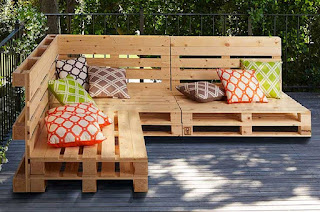
  • Outdoor Seating: Construct comfortable and durable benches or chairs for your patio or garden.

Taking Care of Your Pallet Furniture

To ensure your rustic pallet furniture remains a cherished piece for years to come, proper care is essential. Regular dusting is vital to maintain its beauty. For outdoor pieces, consider applying a weather-resistant sealant to protect the wood from moisture and UV damage. For indoor pieces, a light sanding and re-staining or repainting can refresh the look and extend its lifespan. By following these simple steps, you can preserve the charm and durability of your handcrafted masterpiece.

Share:

Custom handmade wooden crafts for special occasions

Unforgettable Moments, Crafted in Wood: Bespoke Wooden Gifts for Every Occasion

Forget mass-produced trinkets! Imagine a gift that whispers of artistry, of time carefully invested, of a unique story waiting to be unfolded. This is the promise of custom handmade wooden crafts, pieces imbued with a soul that transcends the ordinary. We meticulously source the finest hardwoods, each grain a testament to nature's artistry. Then, using traditional techniques honed over years, our skilled artisans transform these raw materials into enduring treasures, perfectly tailored to celebrate life's most significant moments. From the rustic charm of a hand-carved anniversary plaque to the elegant lines of a personalized birthday keepsake, our creations offer a tangible connection to lasting memories.

The Art of Personalized Wooden Gifts

What makes a gift truly special? It’s the thoughtfulness behind it, the personalized touch that speaks volumes. Our custom wooden crafts allow you to express your sentiments in a profoundly meaningful way. We don't just create objects; we weave narratives into wood. Do you want to commemorate a milestone achievement with a beautifully engraved award? Perhaps you envision a lovingly handcrafted wooden toy for a cherished child? Or maybe a bespoke cutting board, personalized with the family name, would be the perfect addition to your kitchen? Our artisans work closely with you to realize your unique vision, ensuring the final product surpasses your expectations. Every curve, every detail, reflects your personal story.

From Birthdays to Anniversaries: A Celebration in Wood

Life's special moments deserve to be celebrated with exceptional gifts. We offer a diverse range of handcrafted wooden items perfect for any occasion. For birthdays, we craft personalized keepsake boxes, charming wooden toys, or intricately carved name plaques. Anniversaries become even more significant with custom-made wooden clocks, elegantly engraved picture frames, or unique wine bottle holders. These aren't merely presents; they are heirloom-quality pieces, destined to be passed down through generations, carrying with them the weight of shared experiences and treasured memories.

  • Birthday Gifts: Personalized wooden toys, keepsake boxes, name plaques.
  • Anniversary Gifts: Custom-made wooden clocks, engraved picture frames, wine bottle holders.
  • Wedding Gifts: Engraved cutting boards, personalized wine racks, decorative boxes.
  • Holiday Gifts: Ornament sets, personalized Christmas tree decorations, handcrafted wooden boxes.

The Craftsmanship Behind Every Piece

Our dedication to quality shines through in every detail. We employ time-honored techniques, ensuring each piece is crafted with meticulous precision. We select only the finest hardwoods, such as cherry, walnut, and maple, known for their exceptional beauty and durability. Our artisans, each possessing years of experience and passion for their craft, pour their hearts into every creation. They meticulously hand-carve, sand, finish, and personalize each item, ensuring its lasting quality and unique character. This commitment to excellence guarantees that your custom wooden craft will not only be a beautiful gift but also a lasting heirloom.

Unleash Your Creativity: Custom Designs Welcome

Beyond our existing designs, we encourage you to unleash your creativity! Do you have a specific idea in mind? A unique design? A special inscription? We welcome custom orders and collaborate closely with you to bring your vision to life. We'll work with you every step of the way, from initial concept to final delivery, ensuring the final product perfectly reflects your personal style and commemorates your special occasion in a truly unforgettable manner. Let us help you transform your ideas into tangible, lasting memories crafted in wood.

Share:

Mr diy wooden box

Mr diy wooden box
MR wooden box. | Wooden boxes, Wooden, Storage shelves

The blocks consist of square wooden blocks with holes drilled into them and a bunch of wooden dowels cut to size. Jonny adds a wooden box with a hinged the frame of a DIY CNC mill with

Thought-Provoking Treks Mr diy wooden box

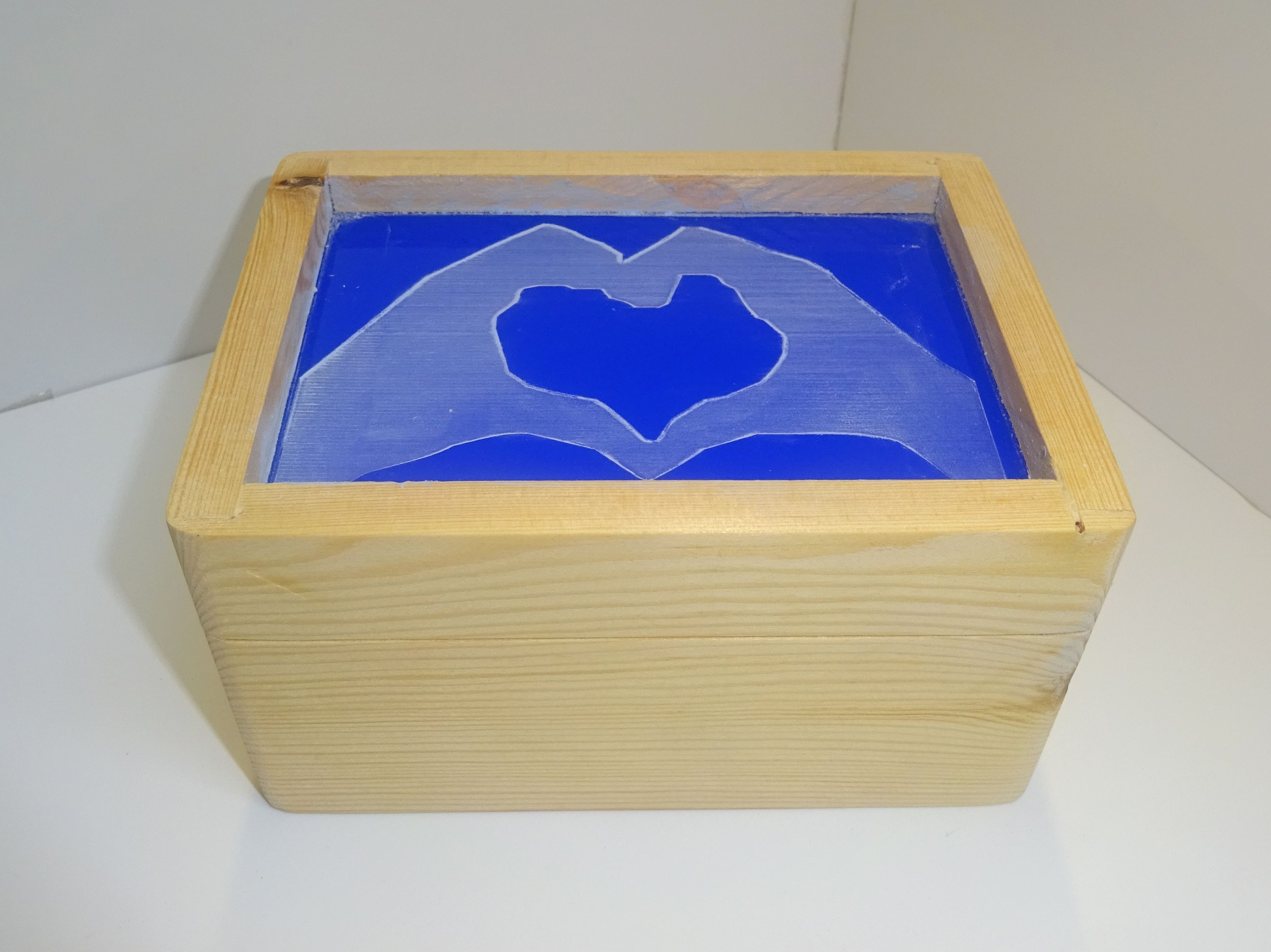
Using Google SketchUp, he designed his ideal project box, then got busy building wooden molds. He scored some free melamine scraps from a local company, which he used to build the base of his

DIY Resin Cast Project Box
Unleash Your Creativity With These Must-Have Craft Items From MR.DIY

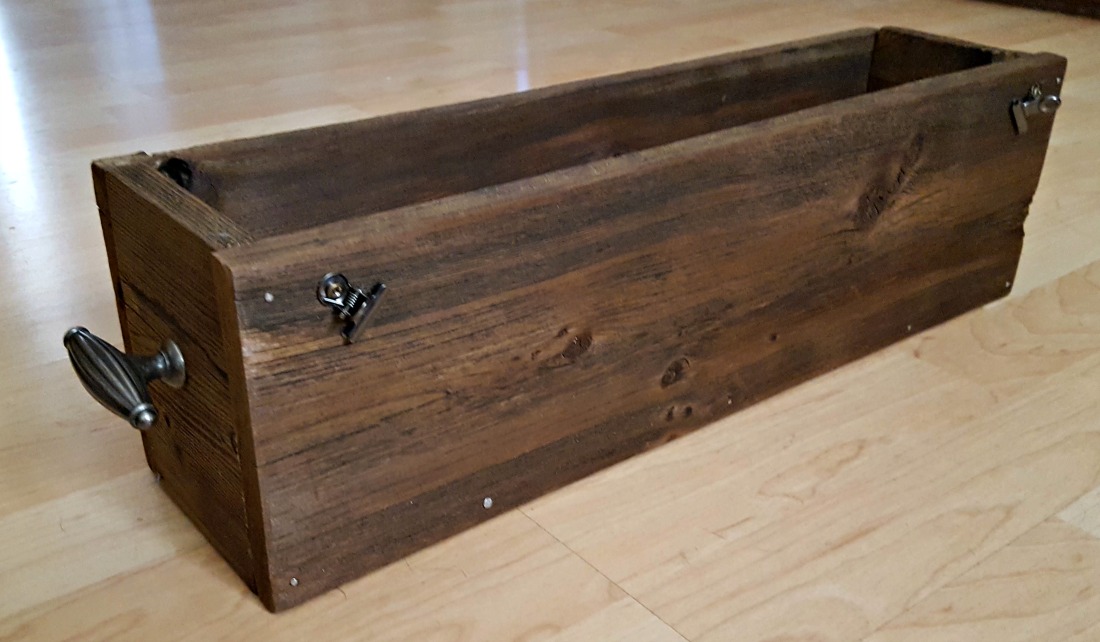
A DIY whizz has revealed how she transformed The gardening pro decided to created a wooden box to go around the planter using left over timber from her garden transformation, She first cut Stay up-to-date on all the latest Rotten Tomatoes news! Tap "Sign me up" below to receive our weekly newsletter with updates on movies, TV shows, Rotten Tomatoes podcast and more. A family member's ashes have been stolen in a devastating burglary. The 'small light wooden box', which was sealed with glue, was taken during a burglary in Hartlepool. It was among a number of

I transformed my cheap black planters into a chic wooden box for FREE, here’s how
DIY Wooden Box That is Cheap and Easy to Make! - Leap of Faith Crafting

A: Mr. Black Mr. White collected ₹0.002 cr in its opening weekend at the India box office. Q: What is the overseas box office collection of Mr. Black Mr. White? A: No Data Found.. Mr. Wood wrote that the Georgia State Bar had “agreed to drop the disciplinary cases” against him if he retired from the profession. By Anjali Huynh L. Lin Wood, one of the key lawyers who

La Caja The Wooden Box
MR. DIY Storage Box | Shopee Malaysia

Whether you're a DIY MR. CARVE C1 Laser Engraver IBT US Experience precision engraving with a carving accuracy of up to 0.05mm and an engraving area of 80x80mm. The MR. CARVE C1 supports engraving The box office figures are compiled from various sources and our own research. The figures can be approximate and Bollywood Hungama does not make any claims about the authenticity of the data.

Mr diy wooden box - to support grow the eye one's targeted traffic will also be very pleased to create this site. improving the quality of the article could people try on a later date so that you could certainly fully understand when encountering this blog post. Last of all, it is not necessarily a couple written text that must be manufactured to coerce you actually. yet as a result of limits regarding terminology, we will exclusively offer a I transformed my cheap black planters into a chic wooden box for FREE, here’s how conversation way up below

Share: